
What should you ask AI before filing an insurance claim?
Hail in the Midwest, hurricanes on the coasts, wildfires in the West, frozen pipes up North: property damage can strike anywhere. It can leave dented gutters, a damaged roof, smoke-stained walls or water spots on your ceiling. Your first instinct is probably to call your insurance agent before filing a claim. That’s reasonable, but there’s one question worth asking first.
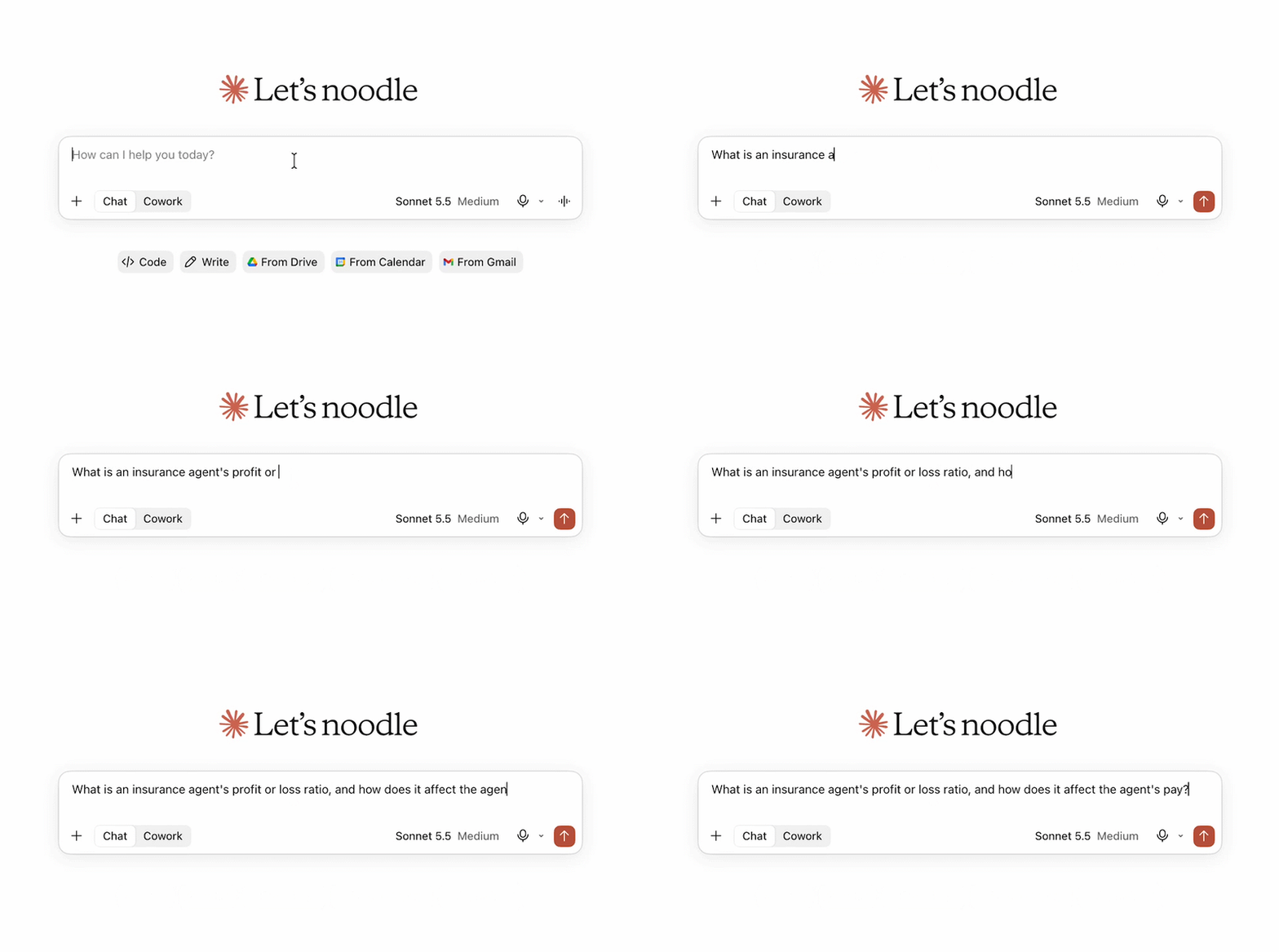
Before you do, open whatever AI tool you use, whether that’s ChatGPT, Gemini, Claude, Copilot or Perplexity, and type in this exact question:
“What is an insurance agent’s profit or loss ratio, and how does it affect the agent’s pay?”
Go ahead. We’ll wait.
We’re not asking you to take our word for anything. We’re asking you to hear it from a neutral source first. Then come back, and we’ll explain what the answer means for your claim.
What is an insurance loss ratio?
A loss ratio is the money an insurance company pays out in claims divided by the premiums it collects. If a book of policies brings in $1,000,000 in premiums and pays $600,000 in claims, its loss ratio is 60%.
Insurance companies track this number for the whole company, for each line of coverage, and often for each agency that sells their policies. That last part is the one most homeowners never hear about.
The answer your AI gave you will likely look similar. The wording may differ from tool to tool, but the core idea is the same: a lower loss ratio means the business is more profitable for the insurer.
Do insurance agents earn more when claims stay low?
Most insurance agents are paid by the insurance company, not by you. Beyond the regular commission on each policy, many carriers offer agencies contingent commissions, also called profit-sharing or bonus commissions.
The National Association of Surety Bond Producers defines contingent commissions as after-the-sale pay based on the profitability or volume of the business an agency places with an insurer. A low loss ratio can mean a bigger bonus. A consistently high loss ratio can mean a smaller bonus, closer scrutiny from the carrier, or in some cases losing the ability to sell that carrier’s policies.
Arrangements vary by carrier and by agency, and not every agent receives contingent pay. Disclosure rules also vary: the National Association of Insurance Commissioners adopted model disclosure language in 2004, but each state sets its own requirements. But the incentive structure is real, it’s legal, and it’s rarely mentioned when a homeowner calls to ask whether they should file a claim.
Source: NASBP, “Disclosing Producer Compensation”
Public adjuster vs. insurance adjuster: who works for whom?
Most agents genuinely care about their clients, and many will tell you to file a legitimate claim without hesitation. The point isn’t that your agent is working against you. It’s that everyone involved in a claim has a role, and it helps to know who pays each person.
| Role | Who pays them | Whose interests they represent |
|---|---|---|
| Insurance agent | The insurance company (commissions, sometimes bonuses) | Sells and services your policy; appointed by the carrier |
| Company or staff adjuster | The insurance company | The insurance company |
| Independent adjuster | The insurance company (as a contractor) | The insurance company |
| Public adjuster Works only for you |
You, the policyholder | You, the policyholder |
When you understand those incentives, you can ask better questions and make your own decisions about your claim.
The National Association of Insurance Commissioners (NAIC), the organization of state insurance regulators, makes the same distinction: a public adjuster has no ties to the insurance company, and the policyholder pays the public adjuster’s fee.
Source: NAIC, “Assignment of Benefits: Consumer Beware”
What should you do after storm, fire or water damage?
- Stay safe and prevent further damage. Tarp openings and move belongings away from leaks. Most policies require you to take reasonable steps to limit damage, so keep receipts.
- Document everything before repairs. Take dated photos and video of the roof, siding, gutters, windows, vehicles and any interior damage. Note the date and time of the storm. The NAIC recommends documenting all losses before removing debris or belongings, and saving damaged items so your insurer can inspect them.
- Read your policy. Look at your deductible (many policies have a separate wind or hail deductible), coverage limits, and the deadline for reporting a loss. Read More: Understanding Insurance Deductibles
- Get an independent opinion on the damage. A licensed public adjuster or a reputable contractor can tell you whether the damage is likely to exceed your deductible. Get a Free Claim Review today.
- Report the claim promptly. According to the NAIC, most insurance companies set a time limit for reporting a claim. Waiting too long can put your claim at risk, so don’t let any of these steps cause you to miss your reporting window.
- Ask questions and keep records. Write down who you spoke with, when, and what they said. Ask your agent directly whether their agency receives contingent commissions from your carrier.
One more thing to know: In some cases, a call describing damage can be recorded by the insurer even if you never file a formal claim. Knowing your facts before that first call helps you have a clearer conversation.
Source: NAIC, “Assignment of Benefits: Consumer Beware”
What does a public adjuster do?
A public adjuster represents policyholders, not insurance companies. We inspect and document the damage, read your policy, prepare the claim, and negotiate with the insurer on your behalf. Many states require public adjusters to be licensed, and requirements such as exams, surety bonds and fee limits vary from state to state. A few states don’t allow public adjusters to negotiate claims at all; there, only a licensed attorney can represent you.
In the spirit of this whole post, here’s how we’re paid: Premier Claims typically charges a percentage of the claim settlement, as allowed under the law of the state where your property is located, and we only get paid if you get paid.
You’re never required to hire a public adjuster. Many claims are handled fairly without one. But for larger, complex or disputed claims, having someone whose only job is to represent you can make a difference.
You can verify any public adjuster’s license with your state’s department of insurance.
Source: NAIC, “Assignment of Benefits: Consumer Beware”
Frequently asked questions
What is an insurance agent’s loss ratio?
It’s the claims paid on the policies an agency has sold, divided by the premiums those policies bring in. Insurers use it to measure how profitable an agency’s business is.
Do insurance agents get paid less if I file a claim?
A single claim usually doesn’t change an agent’s regular commission. However, many agencies receive contingent or profit-sharing bonuses tied to their overall loss ratio, so claims across their book can affect that bonus.
Should I call my insurance agent before filing a claim?
You can, and your agent can be a helpful resource. It’s smart to document the damage and review your policy first so you understand your situation going into that conversation.
What is the difference between a public adjuster and an insurance adjuster?
An insurance company’s adjuster, whether staff or independent, is paid by and works for the insurer. A public adjuster is hired and paid by the policyholder and represents only the policyholder.
Is it legal for agents to receive contingent commissions?
Yes. Contingent commissions are a legal and common practice, though disclosure rules vary by state.
Do public adjusters need a license?
Many states require public adjusters to be licensed, and some states don’t allow public adjusters to negotiate claims at all. Before hiring one, ask for their license number and verify it with your state’s department of insurance.
Should you get a second opinion on your claim?
Now you know the question to ask your AI, and why the answer matters. If your home or business has storm, hail, wind, fire or water damage, Premier Claims offers a free, no-obligation claim review. We’ll look at the damage, walk through your policy, and tell you honestly whether you need us.
Call (877) 219-0049 or Get a free claim review →
Know someone dealing with storm damage? Share this post and challenge them to ask their AI the same question.