Winter Property Maintenance: How to Prepare Your Property for Cold Weather

A Property Owner’s Guide to Preparing for Winter: How to Protect Your Home or Business from Seasonal Damage

Stay Ahead of the Storm: Winter Prep for Property Owners

If you live in a snow-prone state, you know winter isn’t just cold—it’s costly if you’re unprepared. As temperatures drop and storms roll in, your property faces serious risks: roof leaks, frozen pipes, ice dams, and more. The good news? A little preparation now can prevent thousands in repairs later.

Whether you own a commercial building or a family home, here’s your step-by-step guide to winter-proofing your property before the first snowflake falls.

1. Inspect and Repair Your Roof

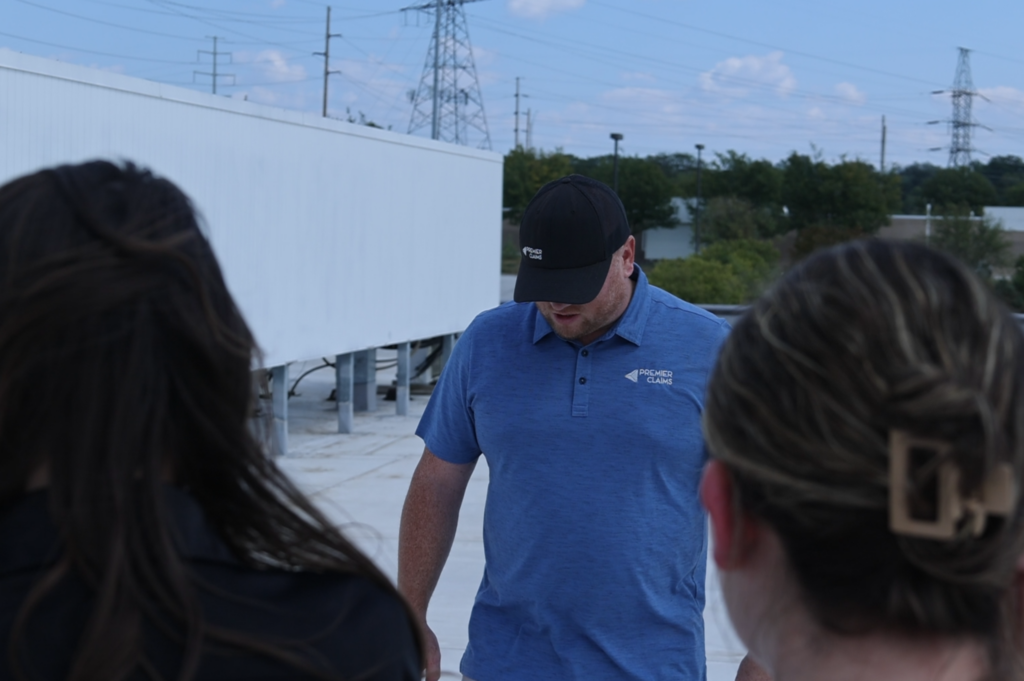
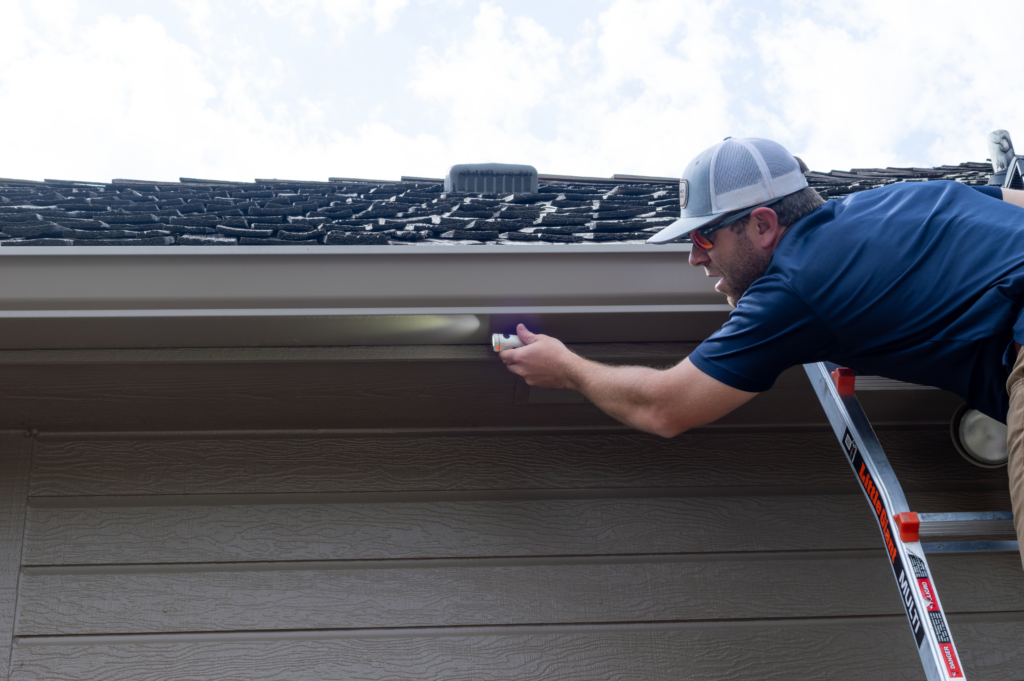
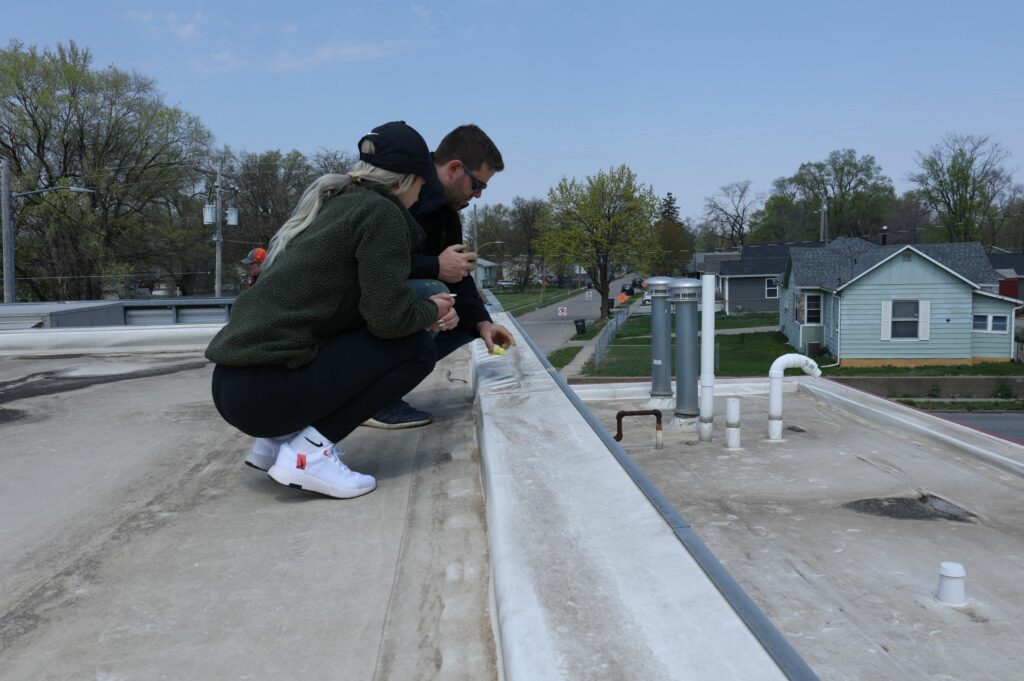
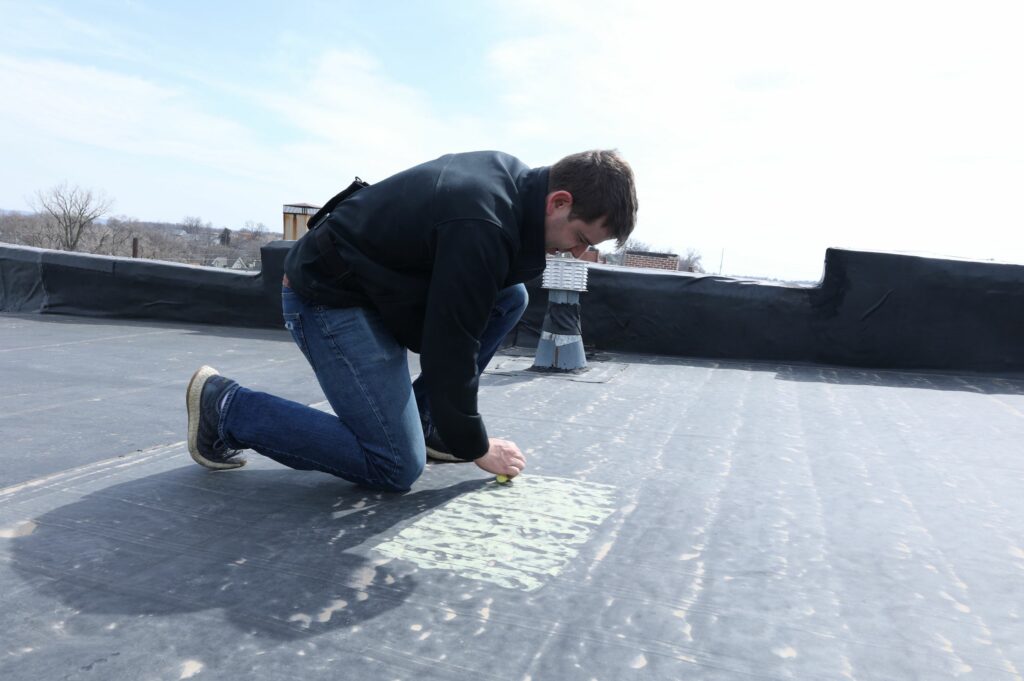
Your roof is your property’s primary shield against winter storms. Any weakness— a missing shingle, loose flashing, or an unnoticed leak—can create a disaster once the snow piles up. Snow and ice build-up adds significant weight to your roof, and if there’s already damage, it increases the risk of leaks or even a roof collapse.

We Recommend:

2. Clear Your Gutters and Downspouts

Falling leaves and debris often clog gutters during the fall, which can become a serious issue during winter. Clogged gutters prevent water from draining properly, leading to ice dams—when water gets trapped and freezes, causing roof damage and leaks.

We Recommend:

3. Protect Your Pipes from Freezing

Frozen pipes are a property owner’s worst nightmare. When water inside pipes freezes, it expands, putting immense pressure on the pipes. This can cause them to burst, leading to water damage, costly repairs, and a long-term headache. The areas most vulnerable to freezing include pipes in unheated spaces like attics, basements, garages, crawl spaces, and exterior walls. With a few proactive measures, you can help keep your pipes safe and flowing smoothly throughout the winter season.

We Recommend:

4. Schedule an HVAC System Check

The last thing you want is for your heating system to fail during a deep freeze. Your heating, ventilation, and air conditioning system will be working overtime as the temperature drops. 

We Recommend:

5. Trim Overhanging Trees

Heavy snow or ice can cause weak or overhanging branches to break, which could cause damage to your roof, siding, or windows.

We Recommend:

6. Seal Windows and Doors

Energy efficiency is critical during the winter season, and even small drafts can cause your heating system to work overtime, leading to higher energy bills. Unsealed windows and doors also allow cold air and moisture to seep in, which can lead to mold growth and wood rot.

We Recommend:

7. Inspect Your Foundation and Exterior Walls

Cracks in your property’s foundation or exterior walls can let cold air and moisture seep in, leading to more severe structural problems when water freezes and expands.

We Recommend:

8. Update Your Emergency Preparedness Plan

Review and update your emergency preparedness plan and inform all occupants of what to do during severe weather events this winter. 

We Recommend:

9. Review Your Property Insurance Policy

Before winter sets in, we recommend reviewing your property insurance policy. Coverage needs can change from year to year, so it’s important to make sure your property stays adequately protected. Our team is here to review your policy so you know of potential gaps in your coverage this winter.

Submit your policy for review today!

Get Ready Before the First Snowfall

Preparing your property for winter isn’t just about staying warm—it’s about protecting your investment. By taking the time now to inspect, repair, and winterize your property, you’ll keep your property safe and hopefully prevent costly repairs down the road. Winters are tough, but your property doesn’t have to suffer. 

To get more tips on winter property maintenance and stay informed about seasonal property care, join our blog community using the form below!

"*" indicates required fields

Name*
This field is hidden when viewing the form

Public School District Secures $5.3M After Hail and Wind Damage

In March 2024, a powerful spring storm swept through southeastern Indiana, bringing 2-inch hail and winds exceeding 65 mph. The storm caused widespread damage across multiple school properties within a local public school district—including roofing systems, athletic facilities, and outbuildings.

Two months later, the carrier’s engineer inspection focused solely on the main educational buildings, overlooking numerous covered assets and structural components across the campus. For more than five months, the district received no payments—stalling essential recovery work and leaving facilities exposed to additional weather-related damage.

Loss Type: Hail & Wind Damage
Location: Southeastern Indiana
Date of Loss: March 2024

Challenges for the Public School’s Hail Damage Claim

The district faced a complex and frustrating situation. Despite the storm’s extensive impact, the insurance carrier:

The prolonged delay created operational risk, disrupted scheduled facility maintenance, and impacted staff and student safety until repairs could begin.

Indiana Public School

Our Approach

Once engaged, Premier Claims conducted a full review of the existing claim file and policy language to uncover overlooked coverage and unaddressed damages.

  1. Comprehensive Policy & Claim Review: Our analysts identified numerous insured assets that were not included in the carrier’s original assessment.
  2. Expanded Field Inspections: Additional inspections documented significant storm-related damage to athletic structures, outdoor facilities, and administrative buildings—including bleachers, stadium lighting, dugouts, garages, and concession areas.
  3. Strategic Claim Reconstruction: We rebuilt the claim with detailed documentation, imagery, and reports to establish a complete, evidence-based valuation of the loss.
  4. Advocacy Against Payment Delays: When carrier payment delays persisted, our team collaborated with outside legal counsel to apply appropriate pressure—ensuring funds were released promptly so the district could move forward with reconstruction.


Results for the Public School’s Hail Claim

Initial Carrier Action: No payments issued for five months.
Within Five Months of Engagement: $4.7 million released to begin rebuilding.
Final Settlement: $5.3 million secured for full restoration.
Ongoing Coordination: Work continued alongside the district’s contractor to pursue supplemental coverage for remaining items uncovered during the rebuild.

Through structured communication and consistent documentation, the district was able to begin repairs while maintaining accountability for every phase of the recovery process.

This successful resolution provided the district with the financial means to restore facilities safely and efficiently—allowing academic, athletic, and administrative operations to resume without long-term disruption.

Illinois Sues State Farm: Forcing Transparency in Homeowners Insurance Practices

Illinois Sues State Farm Overview

On October 14, 2025, Illinois Attorney General Kwame Raoul, acting on behalf of Illinois Department of Insurance (IDOI) Director Ann Gillespie, filed a lawsuit against State Farm Fire and Casualty Company, State Farm Mutual Automobile Insurance Company, State Farm General Insurance Company, and Oglesby Reinsurance Company.

The case, filed in Cook County Circuit Court, seeks to compel State Farm to comply with a regulatory examination into its nationwide homeowners insurance practices.
(source: Journal-Courier, Oct. 14 2025)

Why Illinois is Suing State Farm

According to the filing, the Illinois Department of Insurance launched a market conduct examination in November 2024 to evaluate whether State Farm’s underwriting and pricing practices were treating consumers fairly—especially amid steep premium increases.

State Farm allegedly refused to provide key data, including policy counts, ZIP-code-level premium information, and claims handling metrics, which the Department says are essential for assessing “market fairness, rate justification, and consumer impact.”

Attorney General Raoul said in a statement that State Farm’s “obstruction prevents the Department from obtaining information necessary to make sure all Illinois homeowners are being treated fairly.
(source: NPR Illinois, Oct. 14 2025)

The lawsuit seeks a court order requiring full compliance—no monetary damages are being pursued at this time.

Context: A Surge in Homeowners Insurance Rates

The regulatory push follows years of sharp increases in homeowners premiums. From 2021 to 2024, Illinois homeowners saw average rate hikes of roughly 50%, among the highest in the nation.
(source: Capitol News Illinois, 2025)

Illinois Governor JB Pritzker has called for new legislation granting the state stronger authority to review or limit insurance rate increases. Unlike states such as California or Florida, Illinois law currently provides no formal rate-approval process—leaving regulators reliant on post-hoc data collection and enforcement through examinations like this one.
(source: Capitol News Illinois)

State Farm’s Response

A spokesperson for State Farm, headquartered in Bloomington, Illinois, told multiple outlets that: “This lawsuit is without merit and has nothing to do with Illinois customers or the cost of their insurance.” 

(source: Insurance Business)

State Farm intends to “vigorously defend its position” and maintains that it has already provided extensive information to regulators and argues that the state’s additional requests are overly broad and include proprietary data.

The case is in its earliest stages, with no hearings yet scheduled as of mid-October 2025.

Why This Matters for Homeowners

For Illinois residents, this action underscores a growing emphasis on insurance transparency and consumer protection. Rising home-repair costs and more frequent storm events have fueled premium increases nationwide.

The IDOI’s effort to secure detailed data could shed light on how pricing models affect homeowners in both urban and rural ZIP codes—and whether rate disparities align with actual risk.

If successful, this lawsuit may empower regulators in other states to demand similar disclosures from insurers. For policyholders, more transparency could eventually lead to fairer pricing and accountability in claims handling. To learn more about claims handling, view “Guide to Filing a Claim: The Essentials.

Implications for Public Adjusters and the Claims Industry

Public adjusters, contractors, and consumer advocates should closely watch the court’s interpretation of Illinois’ examination authority under the Illinois Insurance Code.

A ruling compelling data disclosure could create a precedent allowing states to access previously private underwriting and claims information—data that could improve consumer education and advocacy.

For professionals assisting homeowners through claims:

Looking Ahead

Whether this lawsuit expands Illinois’ regulatory reach or results in negotiated disclosure, it marks a turning point in how state agencies hold insurers accountable in an era of climate-driven risk and economic volatility.

Premier Claims continues to monitor developments that affect policyholders’ rights, claims transparency, and fair representation across the country.

"*" indicates required fields

Name*
This field is hidden when viewing the form

Kansas Attorney General Clarifies Public Adjusters’ Role in Residential Claims

Understanding the Kansas Attorney General’s Clarification

Prior to the statement by the Kansas Attorney General, Kansas public adjusters operated under guidance from the Kansas Insurance Department (KID), suggesting their services were limited to commercial lines claims. The KID’s website even stated:

“The public adjuster can only be involved in a first-party claim and the claim must be associated with a commercial lines policy.”

(Source: insurance.kansas.gov)

That interpretation stemmed from how the Public Adjusters Licensing Act was written—not from an explicit ban. The recent Attorney General Opinion 2025-022, issued September 18, 2025, clarifies that the Act regulates commercial claims activity but does not forbid public adjusters from assisting on residential claims (personal lines). In a statement from the letter, Kris W. Kobach, Attorney General for Kansas, states, “The Act neither regulates nor prohibits public adjusting for claims under residential lines insurance contracts.”

Key Takeaways from the Attorney General’s Opinion

(Source: ag.ks.gov)

Why This Matters for Homeowners

Kansas homeowners often face the aftermath of hail, tornadoes, and wind events, where navigating policy details can be overwhelming. With this clarification, they can seek support from licensed public adjusters who advocate on their behalf—ensuring documentation, communication, and settlement discussions are handled professionally.

Nicholas Andersen, General Counsel for Premier Claims, stated:

“With the increase in damaging weather events this year across the state of Kansas, this clarification from the Kansas Attorney General could not have come at a better time. Kansas homeowners have had a rough year and now they have the opportunity to receive help in navigating the insurance claims process by having the advocacy a Public Adjuster provides.”

This shift means policyholders don’t have to face insurers alone. It also aligns with Premier Claims’ mission to advocate for people in a system built for carriers.

What It Means for Public Adjusters

Public adjusters can now:

Several firms have already embraced this broader practice. The Attorney General’s opinion provides much-needed legal backing to those efforts.

Kansas Insurance Industry Impact

This clarification strengthens Kansas’s consumer protection landscape. It empowers adjusters to serve a larger audience while promoting fairness and transparency in the claim process. It also signals a growing recognition of public adjusting’s role in residential recovery—especially in weather-prone regions.

Premier Claims supports continued clarity and ethical standards across the industry, ensuring homeowners receive accurate, informed advocacy from licensed professionals.

What Homeowners Should Do Next

If you’ve recently faced storm, hail, or fire damage in Kansas:

  1. Review your policy — understand what’s covered and what isn’t.
  2. Document everything — photos, estimates, and correspondence matter.
  3. Consult a licensed public adjuster — for clear, compliant guidance through your residential claim. (Learn more about public adjusters with “Choose a Trustworthy Public Adjuster”)

"*" indicates required fields

Name*
This field is hidden when viewing the form

Correcting the Date of Loss Boosted This Roof Claim by 570%

Why Date of Loss Matters in Hail Damage Insurance Claims

Imagine this: your roof has taken a beating in a storm. The carrier sends out their engineer. Weeks later, they tell you only part of the damage counts. Their first offer? $162,000.

Enough to patch things up…maybe. But nowhere near what it would take to restore the property to its prior condition.

That’s where we stepped in.

What We Walked Into

When we arrived, the claim was already in motion but stalled out. The carrier hadn’t made a coverage decision, and the engineer’s report told only half the story. Big sections of storm damage? Missing. The pricing? Way off from what was needed. And the client? Frustrated, waiting, and worried about what came next.

Digging Deeper

We started fresh: reinspecting the property, pulling in market data, and looking at every angle the first carrier inspection overlooked.

What stood out to our team:

How HailTrace Supported Our Evidence

Our inspectors found hail damage across the lower roof that had been left out of the original file. To back it up, we used HailTrace storm data to confirm that the property was in the direct path of a hailstorm on a separate date. That allowed us to pursue a second date of loss—one that not only captured the full damage but also aligned with more favorable deductible terms for our client.

Using HailTrace gave our team the ability to:

Together, this turned what looked like a partial repair into a clear case for full replacement.

We rebuilt the claim from the ground up, documenting the property and properly reflecting the actual loss. With everything documented, we pushed for a second inspection with the insurance carrier.

This time, their numbers lined up: accurate measurements, real-world pricing, and the full scope of the storm damage.

Five months after we were brought in, the final settlement landed: $1.08M.

Why It Matters

This claim demonstrates how policyholders benefit when they have more than one adjuster working on their behalf—they have a team of specialists coordinating inspections, documenting evidence, aligning coverage terms, and negotiating for accuracy.

Instead of settling for a partial repair, this property owner received a comprehensive settlement that addressed the full scope of storm damage—delivered in less than half a year and aligned with their operational priorities.

The Takeaway for Property Owners

"*" indicates required fields

Name*
This field is hidden when viewing the form

How a Policy Review & Hailtrace Data Helped Secure a $1.1M Settlement

How a Policy Review & Hailtrace Data Helped Secure a $1.1M Settlement

When hail season strikes Texas, it can leave behind significant damage—and complex insurance challenges. For one industrial investor in Mansfield, navigating a hail claim required more than simply reporting damage. It required forensic weather verification, strategic documentation, and expert negotiation.

The Challenge: Cosmetic Exclusions and the Wrong Date of Loss

After a heavy storm season, the property owner, who held three large industrial buildings, was advised by their contractor to file a claim using a recent storm date—July 11, 2023. Recognizing the potential challenges posed by the policy terms, the contractor recommended their client get a third-party review of the insurance policy to better understand what coverage and deductibles would apply.

During our initial policy review, we identified two critical issues:

More importantly, during our review, we noticed the property owner was moving forward with a claim using July 11 as the date of loss. However, the damage being reported was significantly more severe and did not align with the 1–1.5 inch hail recorded on that date. We quickly advised the owner to pause any further action on the claim with the July 11 date of loss, as proceeding could result in the claim being denied as cosmetic or pre-existing damage.

Instead, we moved forward leveraging HailTrace.

Hail Damage Buildings in Texas
Hail Damage in Texas
Hail Damaged Buildings

The Solution: Leveraging HailTrace Historical Data

To verify the true cause of loss, our team turned to HailTrace, a weather forensics platform that delivers precise, date-stamped storm data.

Through HailTrace reports and historical records, we discovered that:

This insight allowed us to accurately align the damage timeline. By combining the storm data with detailed photo and video evidence of the roof, we presented a clear picture of when—and how—the damage actually happened.

The Outcome: A Full Roof Replacement and Fair Settlement

By updating the date of loss, presenting conclusive HailTrace evidence, and ensuring the policy’s exclusions were fully accounted for, our team built a strong case demonstrating functional, storm-related damage.

The result:

Why Accurate Storm Data Matters in Commercial Claims

Many property owners assume any recent storm can be used as the date of loss. But when it comes to insurance coverage, accuracy is everything.

Using the wrong date of loss can:

HailTrace technology empowers property owners and their representatives to:

This level of precision is often the difference between a denied claim and a fair settlement.

If you’re navigating a property damage claim, don’t leave your settlement to chance. Get a claim reviewtoday, and let our team review the policy, date of loss, and damage to ensure everything is working together for you.

"*" indicates required fields

Name*
This field is hidden when viewing the form

The Claim Killer No One Talks About: The Date of Loss

The Date of Loss Matters More Than You Think

The date of loss (DOL) in a property insurance claim is one of the fundamental elements that influence the entire process of claim settlement. Yet, it’s often overlooked or misunderstood by policyholders.

What exactly is the date of loss? Why is it so important? How do you avoid common mistakes?

What Is the Date of Loss?

The date of loss refers to the specific day when the damage to your property occurred. Not when you noticed it, but when the event that caused the damage actually happened. In some cases, like a branch piercing your roof, it’s obvious. In others, like a slow leak causing water damage behind a wall, it’s harder to pinpoint. 

But here’s the thing: insurance carriers will claim they don’t work in gray areas. They need dates. And that date needs to fall within your policy period.

Why Getting the Date of Loss Right Is So Important

The date of loss isn’t just a formality, it’s the anchor that holds your entire claim in place. An accurate date keeps your claim within the rules of your policy, which often requires that you report damage within a specific time frame. If the damage happened outside of your policy period, or if your claim suggests it did, you could be denied coverage altogether.

It also affects what’s actually covered. Insurance policies evolve over time. A policy active in March may not cover the same things as the version active in May. If your date of loss is off, your claim might be reviewed under the wrong set of terms.

Legal timelines are also tied to the date of loss. From deadlines to submit paperwork to the statute of limitations on filing a lawsuit, everything is measured from that day forward. One wrong date can throw the whole timeline off track.

And when it comes to weather damage, things get even more specific. If your claim says a hailstorm caused your roof damage, the insurance carrier will pull historical weather data to confirm there was a storm on that day in your area. If there wasn’t, your claim could be denied for lack of evidence. That’s why aligning your DOL with verified storm data is so important—it gives your claim credibility.

At the end of the day, your date of loss is more than just a line on a form.

Aligning the Date of Loss with Weather Data

When a property damage claim involves weather-related events, like hail, hurricanes, or windstorms, accurately aligning the date of loss with weather data becomes a critical step in the process.

Verifying the Claim

Insurance carriers routinely cross-reference the reported date of loss with historical weather data. If a storm didn’t occur on the date listed, or if the data doesn’t support the severity of the event claimed, the entire claim can be called into question. Ensuring the date matches a verifiable weather event strengthens the credibility of your claim from the outset.

Determining the Cause of Damage

Specific weather conditions, such as high winds, hail impact, or heavy rainfall, help determine the cause of property damage. This distinction matters. If the carrier argues that the damage was due to wear and tear, not a covered event, accurate weather records can prove otherwise. Aligning the damage to a precise weather event can be the deciding factor in a claim’s approval or denial.

Involving Professional Analysis

In complex or disputed cases, meteorologists and weather forensics experts may be brought in to provide detailed reports. These professionals analyze storm paths, wind speeds, hail size, and more to connect the reported damage with actual weather activity. Their expertise adds authority to your claim and can help break through an insurer’s resistance.

Supporting Legal Integrity

If a claim is contested or suspected of being exaggerated or fraudulent, legally verifiable weather data becomes essential. It serves as an objective reference point and may be used as evidence if the dispute escalates to litigation.

Using Public and Professional Tools

Access to reliable weather data isn’t limited to experts. Tools like NOAA reports, satellite imaging, and specialized weather databases can corroborate your date of loss. When used by your public adjuster or claim advocate, these resources help build a solid foundation for your claim.

Knowing Your Policy Coverage Period

Understanding the exact coverage period of your insurance policy is more than knowing its start and end dates—it’s about knowing how that window of time affects every part of your claim. Attention to this detail helps in avoiding unnecessary challenges and paves the way for a smoother claim experience.

Eligibility for Coverage

For a claim to be considered valid, the date of loss must fall within the active policy period. If the event occurred even a day outside that window, the claim is likely to be denied regardless of the damage severity or circumstance.

Renewal and Expiration Timing

Losses that happen near the renewal or expiration date of a policy require extra scrutiny. It’s not uncommon for disputes to arise if the damage date is unclear or overlaps policy terms. Even a minor discrepancy in timing can lead to delays, coverage gaps, or outright denial.

Changes in Policy Terms

Endorsements, exclusions, and coverage modifications may shift from one policy period to the next. What was covered under last year’s policy might be excluded this year. Knowing which version of your policy applies on the date of loss is key to understanding what’s actually covered.

Extensions and Transitional Provisions

Some policies include grace periods, endorsements, or transitional clauses that can affect claim eligibility. These nuances are often overlooked, but they can make or break a claim if not clearly understood at the time of filing.

Future Impact of Reporting

Filing a claim within the coverage period doesn’t just impact the current settlement, it can influence future premiums, renewals, and insurability. Insurers take prior claims into account when pricing or underwriting future policies.

Submit your policy for review today!

The Most Common DOL Mistakes (and How to Avoid Them)

One of the biggest errors we see? Confusing the “date of discovery” with the actual “date of loss.” This typically happens with hidden or slow-developing issues like leaks, mold, or structural settling. But if the damage didn’t happen all at once, pinpointing the DOL requires investigation, not guesswork. Choosing the wrong DOL can derail the entire claim.

Another frequent problem is selecting a DOL without confirming that the policy was even active at the time. This is especially risky for properties that have recently changed hands, had gaps in coverage, or bounced between carriers.

Missing deadlines tied to the DOL is another big issue. Every policy has its own timeline for submitting a proof of loss, and missing that window—even unintentionally—can lead to reductions or outright denials.

And then there’s the weather. We’ve already mentioned it, but it’s worth repeating: if your claim involves wind, hail, or any other natural event, back up your DOL with solid weather data. Don’t assume the insurer will give you the benefit of the doubt. Odds are, they won’t.

Treat Your DOL Like the Foundation It Is

At Premier Claims, we’ve seen firsthand how a properly supported date of loss can streamline the claim process, and how an inaccurate one can unravel it. It influences everything: coverage, valuation, legal standing, and how long you have to take action.

So if you’re not 100% sure about your DOL, don’t guess. Get professional insight. We’re here to help you assess the damage, verify weather data, confirm coverage windows, and present your claim with precision and authority.

Because in this game, the details matter—and the date of loss is the detail that starts it all.


"*" indicates required fields

Name*
This field is hidden when viewing the form

2024: Reflecting on a Year of Advocacy, Resilience & Results

NAVIGATING THE STORMS TOGETHER

Reflecting on a Year of Advocacy, Resilience & Results

This year, our team has exemplified the true value of expertise and advocacy in the claims process. By meticulously documenting every detail, negotiating with carriers, and ensuring that our clients, the policyholders, always come first, we’ve been able to deliver results that matter. Our focus on protecting our clients’ rights and helping them navigate the often-complex insurance landscape has reaffirmed why having a trusted advocate is so crucial during challenging times.

From the devastating tornadoes that ravaged the Midwest in the spring, to the powerful hurricanes whose impact extended far inland, and the intense wind and hailstorms that struck communities across the nation, standing by our clients every step of the way. We are incredibly grateful for the trust our clients have placed in us and the opportunity to help them rebuild.

As a year in review, we’ve included some photos of the damage and storms we’ve worked on throughout the year. These moments reflect not only the challenges we’ve faced together but also the resilience and determination of our team and clients. We are deeply thankful for the hard work of our team, the trust of our clients, and the collective efforts of everyone who has helped advocate for policyholders.


Below are a few articles we’ve published this year to help spread awareness and education:

Will My Insurance Premiums Go Up? – Learn if your premiums will go up if you seek professional help in navigating the claims process.

Filing a Claim Without Losing Coverage: Know Your Rights – The misconception is that an insurance carrier will drop you if file a claim, but its important to understand that such action is unlikely and illegal.

Are You Underinsured? – Recent market changes—skyrocketing construction costs, supply chain delays, and increasing natural disasters—mean your coverage from two years ago may not cover you today.

Depreciation in Insurance Claims: Are You Getting Short-Changed? – When your property is damaged and you file an insurance claim, but you may quickly discover the insurance carrier short-changes you because of depreciation.

The Role of a Public Adjuster vs Insurance Adjuster – Understanding the role of a Public Adjuster versus an Insurance Carrier Adjuster can make all the difference in how much you get paid.

Save on Insurance Premiums Without Sacrificing Coverage

Navigating the complex world of insurance doesn’t have to be overwhelming. For property owners, one of the most impactful ways to reduce premiums while maintaining excellent coverage is by reviewing and optimizing their insurance policies. 

Understanding Your Policy

Insurance policies consist of various components, including deductibles, coverage limits, and endorsements. Understanding these elements allows property owners to assess their policies effectively.

Deductibles

High deductibles often result in lower premiums. However, property owners should evaluate their financial capacity to cover the deductible in the event of a claim.

Coverage Limits

Reviewing coverage limits ensures adequate protection without overpaying for excessive coverage. Assess the property’s value and adjust coverage limits accordingly.

Endorsements

Additional coverages can be added through endorsements. Evaluate the necessity of endorsements based on the property’s specific needs to avoid unnecessary expenses.

Regular Policy Reviews

Insurance needs can evolve over time due to changes in property value, renovations, or lifestyle. Regular policy reviews, ideally conducted annually, allow property owners to align their coverage with their current requirements. By staying proactive, policyholders can identify potential areas for savings to reduce premiums and optimize their coverage.

Risk Mitigation Strategies

Implementing risk mitigation measures can lead to lower premiums. Property owners can consider:

Security Systems

Installing security systems, such as alarms and surveillance cameras, can reduce the property’s risk, leading to potential premium discounts.

Maintenance

Proper maintenance, including roof repairs, electrical updates, and plumbing improvements, demonstrates responsible property ownership and can result in reduced premiums.

Bundling Policies

Combining multiple insurance policies (e.g., property and auto) with the same insurer often results in substantial discounts, making it a cost-effective choice for property owners.

Policy Shopping and Comparison

Periodically shopping for insurance quotes and comparing policies from different providers is a proactive approach to securing competitive premiums. Additionally, it’s essential to obtain quotes from reputable insurers, ensuring a balance between cost and coverage quality.

Consulting with a Public Adjuster

Engaging a public adjuster, like those at Premier Claims, can significantly impact premium savings. Public adjusters have in-depth knowledge of insurance policies and can guide the policyholder on to best protect themselves and their property. Their expertise aids policyholders attempting to receive fair treatment and optimal coverage for their premiums. 

Property owners who invest time in understanding their policies, conducting regular reviews, implementing risk mitigation strategies, and exploring their options can achieve significant savings on premiums. By staying informed and proactive, property owners can make educated decisions that lead to substantial financial benefits.

Our team of seasoned public adjusters are on standby to assist you through the complexities of insurance coverage. To provide you with a comprehensive and accurate review of your policy, we invite you to complete our policy review. Subsequently, our team members will review your policy in-depth and reach back out to go over their findings at your convenience, allowing you to get the help you deserve!

"*" indicates required fields

Name*
This field is hidden when viewing the form