Mitigating Further Damage After a Hurricane

The destruction after a hurricane can be immense and overwhelming. And despite the aftermath of a hurricane, the last thing you want is for your property to suffer more damage. Your insurance policy will also mandate for you to mitigate further damages. We’ll discuss your duty as a policyholder to mitigate further damages, options for mitigation, and how mitigation factors into your insurance claim. 

Policyholder Responsibilities to Mitigate Further Damages

Your insurance policy mandates that you take reasonable steps to protect your property from additional damage post-hurricane. The language will vary in each policy, but the overall objective is the same— protect your property from further damage.

Duties After Loss or Damage

Check your insurance policy for detailed guidelines on what actions you should take after your property suffers hurricane damage. Complying with your policy terms will be crucial in your claims process.

Documenting All Expenses Incurred During Mitigation

Keep records of all costs you incur while taking steps to prevent further damage to your property. These records serve as proof of expenses when you file your insurance claim.
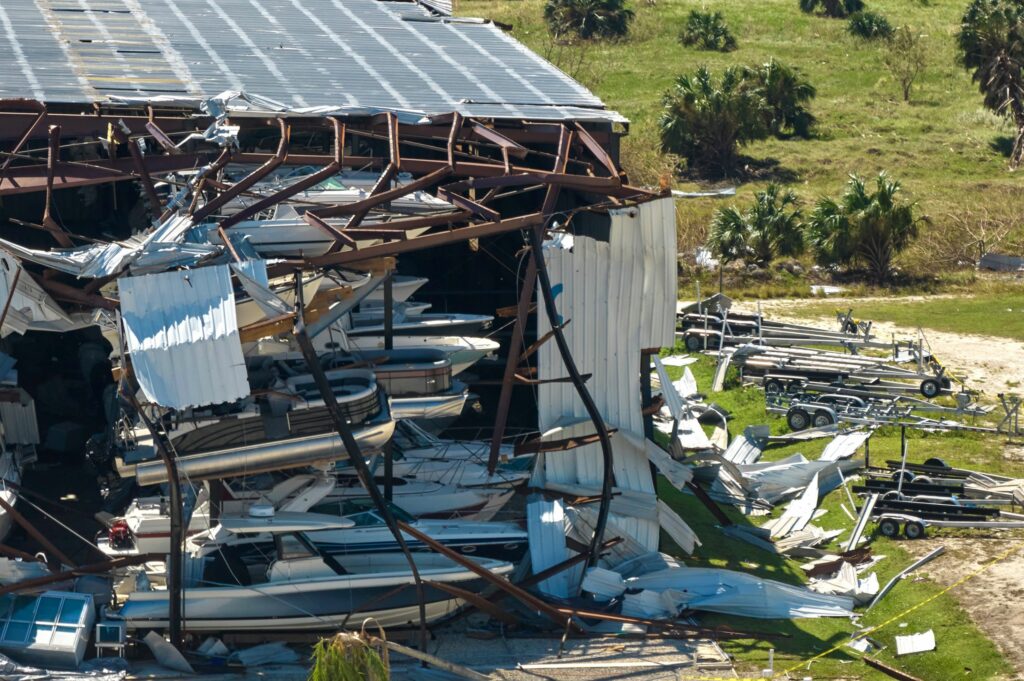
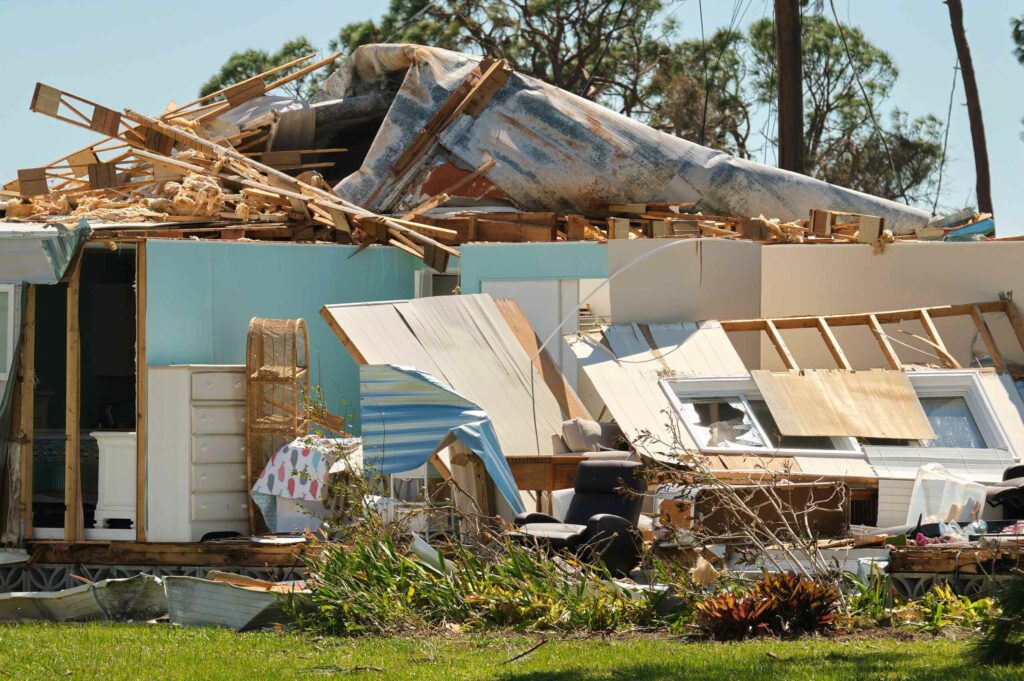
Hurricane Ian Damage

Options for Mitigating Against Further Damage

We recommend seeking the advice and assistance of a professional after a hurricane, as the damages can be quite extensive and overwhelming. A professional will inspect your damages, provide an estimate, and perform the mitigation for you. In severe damage cases, a specialty mitigation company may be required to tend to more complex mitigation requirements.

Common Mitigation Applications Often Include

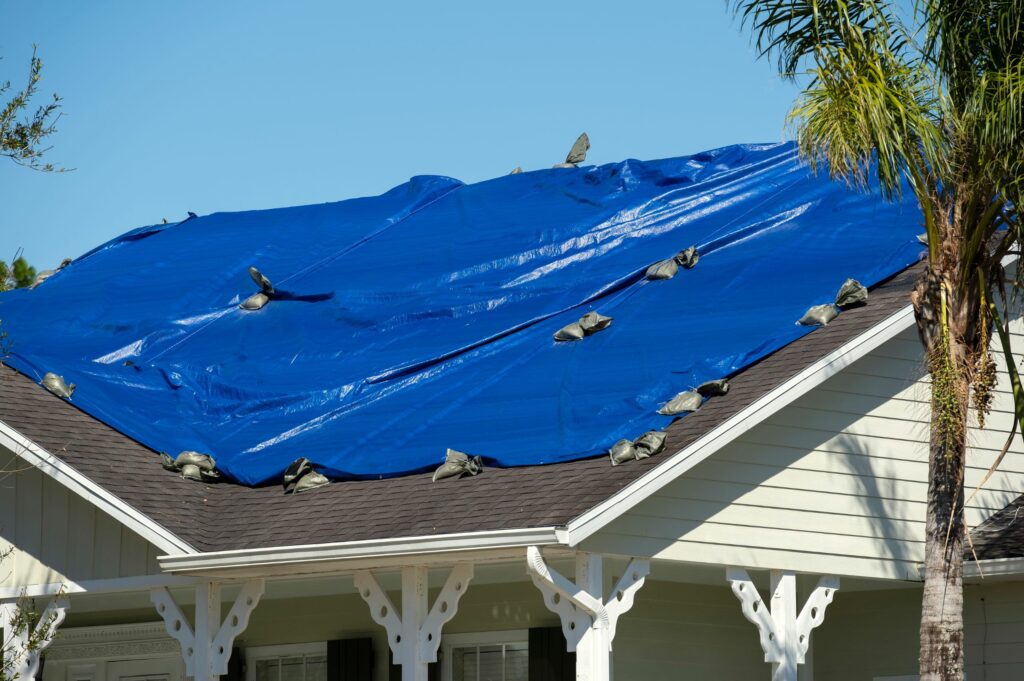
      • Tarping roofs to avoid leaks or intrusion of other debris
      • Securing damaged areas where leaks could occur
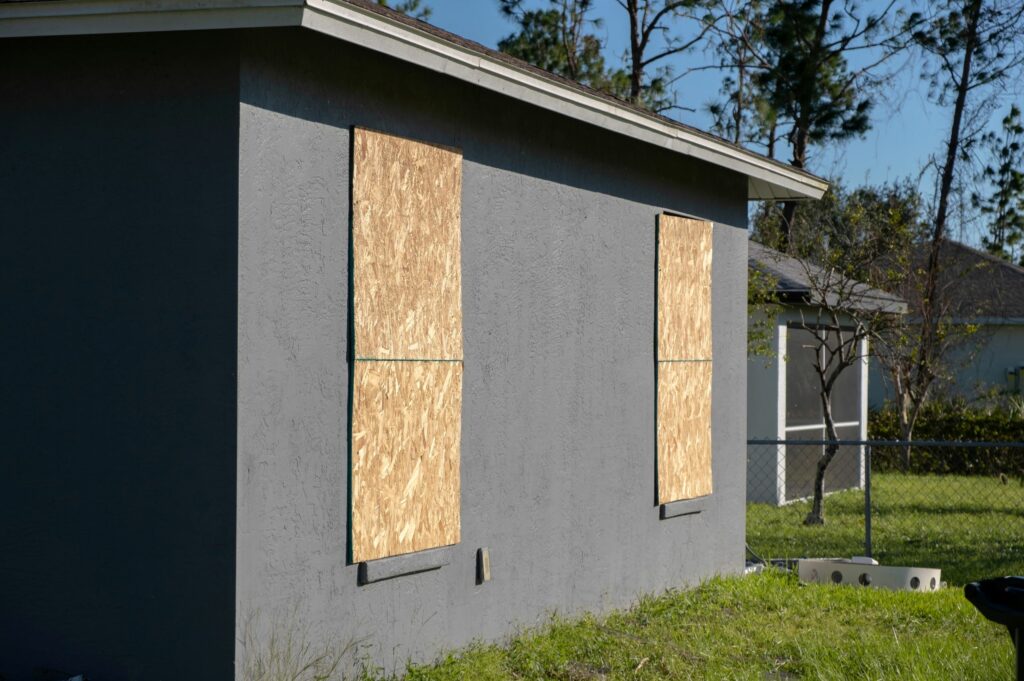
      • Covering broken windows or compromised opening
      • Removing surrounding debris.

Mitigation costs can be a burden under your insurance policy. It’s crucial not to compromise on mitigation efforts because inadequate protection could result in mold, mildew, and additional structural damage that may not be covered by your insurance. We recommend reviewing your policy ahead of time to understand the required level of mitigation and ensure you’re prepared before a hurricane occurs. You can have a complimentary policy review by our legal team here!
 

How Mitigation Factors into Your Insurance Claim

According to your insurance policy, your insurance carrier expects you to take reasonable steps to protect your damaged property from further harm. In most cases, the costs of these actions can be reimbursed under your policy.

However, costly methods like shrink wrapping, which temporarily secures a tarp on your roof, may complicate cost recovery. During a hurricane, appropriate alternatives, supplies, and mitigation services could be scarce for a prolonged period. It’s crucial to communicate with your insurance carrier to avoid paying out of pocket for mitigation. During your preparation for the hurricane, we recommend having a list of mitigation companies that you can quickly deploy to your property to inspect following the storm

Failing to mitigate could reduce your final settlement or lead to a claim denial. Just as it’s essential to document your property before and immediately after a storm, documenting the mitigation process is equally vital.

Documentation Recommendations

      • Taking photos from different angles of each mitigation step
      • Using videos as needed
      • Keeping records of communications with vendors, receipts, and materials

Promptly mitigating further damages after a hurricane protects your property and can strengthen your insurance claim. Premier Claims is dedicated to guiding policyholders through every step of the recovery process.

Understanding Water Damage Coverage: A Policyholders Guide

Water damage is one of the most common and potentially devastating issues property owners face. Whether it’s due to a burst pipe, heavy rainfall, or a faulty appliance, water damage can wreak havoc on your property. Understanding your insurance coverage is crucial in such situations. We will delve into the intricate details of water damage coverage, so that you, as a policyholder can be better informed and prepared in the event of water damage.

Types of Water Damage Coverage

Sudden and Accidental Damage

Most standard property insurance policies cover sudden and accidental water damage. This includes situations like a burst pipe, a malfunctioning appliance, or a sudden leak in the roof. However, coverage might vary based on the specific cause, so it’s essential to understand the policy terms.

Flood Damage

It’s important to note the standard insurance policy typically does not cover flood damage. For protection against floods, a separate flood insurance policy from the National Flood Insurance Program (NFIP) is necessary. Furthermore, if you live in a flood-prone area, investing in flood insurance is highly recommended.

Sewer Backup

Sewer backups can cause significant damage to your property. Some insurance policies offer coverage for sewer backups, but it’s often an optional add-on. Check your policy to see if this coverage is included or consider adding it for comprehensive protection.

Understanding Coverage Limits

Even if your policy covers water damage, there are often limitations to the coverage. These limitations may include caps on the total payout, restrictions on certain types of water damage, or higher deductibles for specific causes. It’s crucial to review your policy documents carefully to understand these limitations and assess if additional coverage or policy adjustments are necessary to align with your financial situation & strategy.

Preventing Water Damage

Regular Maintenance

Regularly inspect and maintain your property, checking for signs of leaks, deteriorating pipes, or faulty appliances. Consequently, addressing issues promptly can prevent significant water damage.

Install Proper Drainage Systems

Ensure your property has adequate drainage systems, including gutters, downspouts, and sump pumps. Therefore, proper drainage can redirect water away from your property, reducing the risk of water infiltration.

Educate Tenants

If you rent your property, educate tenants about the importance of reporting leaks promptly. Simultaneously, in your own residence, ensure family members are aware of water-saving practices and how to shut off the main water supply in emergencies.

Being well-informed about your water damage coverage is the first step in protecting your property and assets. Regular policy reviews, understanding coverage limitations, and investing in additional coverage where necessary can provide peace of mind. By taking preventive measures and staying informed, policyholders can minimize the risks associated with water damage and ensure a swift and effective response in case of emergencies. Remember, a well-informed individual can better protect their property. Stay informed, stay vigilant, and safeguard your property against the unexpected challenges of water damage.

Aftermath of a Storm: Key Steps to Take

Facing the aftermath of a storm can be a daunting experience. But when it comes to safeguarding your property and filing an insurance claim, it’s essential to have a clear plan of action. Below is a guide to assist you through the initial steps following a date of loss.

Survey Exterior Damage

After ensuring your safety, the first step is to assess the storm damage to your property.

Exterior Inspection

Begin by examining the exterior of your property for visible damage. Look for missing shingles or broken gutters. As well as obvious roof leaks or scattered roofing materials.

Air Conditioning Unit

Even if it’s not the summer season, check your AC unit for damages. You wouldn’t want any surprises when it’s time to use it.

Other Damages

Be thorough in identifying all storm-related damages, including those caused by trees, neighbor’s trees, or missing fencing. 

Survey Interior Damage

Inspect the inside of your property for signs of internal damage. 

Water Leaks

Keep an eye out for water leaks or puddles on walls and floors, especially on the ground floor. 

Windows and Attic

Check windows for leaks and inspect your attic for any issues. 

Take Photos

Capture clear photos to document all damage you see on your property in the aftermath of a storm.

Exterior Damage

From damaged roofs to broken AC units, photos play a significant role in your insurance claim.

Interior Damage

Document any damage inside your home, ensuring clarity in the images.

Keep Everything

Hold onto damaged items, as your insurance assessor may need to inspect them for your claim. Even if you can’t keep large items, like a waterlogged carpet or a broken TV, take photos and keep small samples if possible. A piece of your wet carpet can serve as evidence!

Shield Your Property

To prevent further damage to your property while waiting for repairs, we recommend covering visible holes or broken windows. You can do this by using tarps or canvases. Furthermore, ensure that you move valuable belongings and electronic equipment out of harm’s way.

Public Adjuster Inspection

Enlist the expertise of a public adjuster to ensure that all damage to your property is accounted for prior to filing a claim. Their in-depth knowledge, negotiation skills, and commitment to your best interests can significantly impact the outcome of your insurance claim. Ultimately providing you with the peace of mind you deserve after a date of loss occurs. 

Navigating the aftermath of a storm and filing an insurance claim can be challenging, but with the right steps and the support of Premier Claims, you can restore your property with peace of mind. Remember, our dedicated team is here to assist you throughout the process.


Importance of Acting Promptly After a Date of Loss

Severe weather events, such as hailstorms, have become increasingly more common and devastating in recent years. As we enter an era where the cost of insured losses from severe storms continues to rise, it becomes crucial for property owners to act promptly after a date of loss. Get ready to explore the significance of taking immediate action in the wake of extreme weather like this year’s hail storms, gain insights on the rising costs of storm damage, and discover valuable guidance on protecting your property.

Why Acting Promptly Matters

When faced with property damage caused by hail or other severe weather, time is of the essence. Acting promptly allows you to:

Storm Damage (1)

The Soaring Costs of Severe Weather:

Hailstorms have had a significant financial impact, with insured losses skyrocketing in recent decades. Gallagher Re, a reinsurance firm, reports insured losses from hail exceeding $10 billion since 2008. In 2023 alone, insured losses from severe convective storms are projected to surpass $30 billion. With the growing number of severe weather events, it’s crucial to be proactive in protecting your property and securing the necessary coverage.

Reviewing Policy (1)

Protecting Your Property:

To safeguard your property and ensure a smooth claims process, consider the following steps:

Acting promptly after a date of loss is essential to protect your property and ensure a smooth claims process. With the increasing costs of severe weather events, it’s crucial to be proactive in securing the necessary coverage and taking immediate steps to mitigate further damage. By documenting the damage, reporting the loss promptly, and seeking assistance from a Public Adjuster, you can navigate the claims process with confidence.

Remember, time is of the essence when it comes to protecting your property from severe weather-related losses. Act promptly, protect your investment, and fight for the coverage you deserve. If you have any questions, please reach out to our team today. 


Premier Claims Secures $13.95M After Hurricane Ian

How Premier Claims Secured a 520% Hurricane Insurance Settlement Increase Despite Policy Gaps and Delays

After Hurricane Ian, a commercial property owner faced major damage and an underperforming policy with coverage gaps and exclusions. Despite the carrier’s attempts to delay and underpay, Premier Claims achieved a 520% increase over the insurer’s initial offer, resulting in a $13.9 million settlement. The business not only recovered—it came back stronger, with a better insurance policy for the future.

The Problem: Inadequate Coverage and Carrier Delays After Hurricane Ian

When Hurricane Ian hit, this business sustained severe damage to its structure and inventory. But the policyholder quickly discovered that their insurance policy lacked key coverages—leaving major exposures for contents, assets, and operational losses.

Compounding the issue, the carrier:

For the policyholder, this wasn’t just an insurance claim—it was a test of persistence, documentation, and advocacy.

Our Solution: Expert Insurance Claim Advocacy from Start to Settlement

Premier Claims joined from the outset to lead the policyholder through a complex, multi-month recovery process—combining our experience, clear communication, and persistent negotiation.

1. Comprehensive Policy Review & Damage Documentation

We began by reviewing every line of the policy to identify exclusions, limits, and underinsured areas. Our licensed adjusters built a detailed damage assessment, covering structural, contents, and operational impacts— attempting to ensure that every covered loss was properly documented.

2. Countering Adjuster Turnover and Delay Tactics

With each new adjuster or engineer assignment, our team maintained organized claim continuity. We kept a meticulous record trail—photos, estimates, and inspection summaries—to prevent information loss and stalled claim progression.

3. Strategic Negotiation to Correct Underpayment

We challenged undervalued estimates with evidence-based documentation and policy-supported reasoning, securing recognition for all covered damages. Our adjusters collaborated with legal resources to strengthen our negotiation strategy while maintaining professional, fact-based dialogue with the carrier.

4. Future Risk Mitigation and Policy Improvement

After the settlement, we advised the client on securing broader future coverage. By connecting them with trusted insurance resources, they obtained a more comprehensive policy with stronger contents and windstorm protection.

The Impact: Restoring Property, Operations, and Confidence

Thanks to a proactive and strategic approach, the policyholder achieved more than a settlement—they gained security.

This is the Premier Claims difference: advocacy that doesn’t end with settlement—it builds long-term resilience.

Why This Case Matters: Turning Insurance Claim Denials Into Full Settlements

Many policyholders face similar challenges after major storms—delays, low offers, or outright claim denials. This case underscores how thorough documentation, experienced negotiation, and policy insight can overcome those barriers and turn uncertainty into clarity. If your claim has been denied, delayed, or underpaid, the earlier you bring in an advocate, the stronger your position becomes.

Get Expert Help with Your Hurricane or Property Damage Claim

If your commercial property insurance claim has been denied, delayed, or undervalued, Premier Claims can help you understand your options and pursue the coverage you paid for. Speak to our team today!

"*" indicates required fields

Name*

When Should I Hire a Public Adjuster?

Understanding when to hire a public adjuster is the first strategic move in your claim process. Every decision plays a role in the pursuit of fair compensation for your property damage. We unravel the layers of timing – from the initial moments of property damage to the complexities of denied claims. 

Timely Claims Assistance

Understanding the Role of a Public Adjuster

Before going into the timing aspects, it’s crucial to comprehend the role of a public adjuster. These professionals act on behalf of policyholders, assessing and negotiating insurance claims aiming to earn a fair compensation for property damage. Their experience in the claims process can make a significant difference in the outcome. 

Immediate Action after Damage Occurs

Swift action is vital when property damage occurs. While policyholders might be tempted to start the claims process independently, involving a public adjuster from the start can streamline the process. A public adjuster’s early involvement aims to make a thorough assessment of the damage, setting the stage for a comprehensive and well-documented claim.

Before Filing a Claim

Policyholders often question when is the right time to bring in a public adjuster. Ideally, it’s before filing a claim. By consulting with a public adjuster beforehand, you benefit from their expertise in evaluating policy coverage, estimating potential damages, and strategizing the most effective approach. This proactive step can significantly impact the outcome of your claim. 

Denied or Underpaid Claims

If your insurance claim has been denied or you feel the compensation offered is inadequate, it’s not too late to hire a public adjuster. These professionals excel in reevaluating claims, identifying discrepancies, and negotiating on behalf of policyholders. Their involvement can lead to a fair resolution and the compensation you rightfully deserve. 

Complex Claims and Policy Understanding

Insurance policies can be intricate, and navigating complex claims requires a deep understanding of the language and nuances within. Hiring a public adjuster becomes crucial when faced with intricate claims, aiming for every detail is thoroughly examined, and your interests are protected. 

Premier Claims encourages policyholders to consider engaging a public adjuster early in the process or, if needed, at any point when challenges arise. Our team stands ready to provide the expertise and guidance necessary for the intricacies of the claims journey. Don’t wait; connect with Premier Claims today for a smoother, more informed claims experience.

Involving Legal Professionals in Your Claim

Is Involving Legal Professionals Necessary for Your Insurance Claim?

While the optimism of seeing the world through rose-colored glasses may suggest otherwise, the complexities of insurance claims can make legal assistance invaluable. Discover why having someone advocate for your best interests is crucial in the modern insurance landscape, where carriers aim to protect every cent.

Public adjusters typically handle claim advocacy effectively, rendering attorney involvement unnecessary. However, there are scenarios where legal assistance becomes vital:

Coverage Denial and Refusal to Negotiate

In instances where insurance coverage is denied or negotiations are refused, consider involving legal professionals. Legal professionals work to challenge denials, advocating for policyholders’ right to secure the coverage they’re entitled to. Legal professionals can also engage in negotiations with insurance carriers, striving for a settlement that is fair and reasonable.

Policy Interpretation Issues

Insurance policies often involve intricate language open to interpretation. Legal assistance becomes essential when disputes arise over policy terms. Attorneys can provide clarity on policy language, aiming to safeguard the rights of policyholders and that carriers adhere to the agreed-upon terms.

Bad Faith Practices by Insurance Carriers

Bad faith practices occur when an insurance carrier acts dishonestly or unfairly toward a policyholder. This includes unreasonably delaying claims processing, undervaluing claims, or wrongfully denying valid claims. Legal professionals can identify and challenge such practices, holding carriers accountable for acting in good faith and aiming to maintain fair treatment throughout the claims process.

Beyond the situations highlighted above, there are less apparent, yet valid reasons to consider legal counsel. Chip Merlin of Merlin Law Group, discusses one of these less apparent reasons in his blog “Insurance Company Claims Adjuster Bonus Programs and Criteria.” Some carriers may incentivize adjusters to underpay claims, making it crucial to involve legal representation. Legal professionals can file discovery motions to uncover any undisclosed bonuses that may compromise the fairness of claim payouts.

Uncovering these bonus programs may be challenging, as carriers often attempt to disguise them. An attorney, equipped with the expertise to refine discovery requests, can reveal less savory bonus programs. While not every claim requires legal intervention, having an attorney available ensures that, if needed, assistance is just a phone call away.

Explore the nuances of public adjusting claims and understand when legal involvement can make a significant difference in securing a fair and favorable settlement.

By: Ashley Balsbaugh | Associate Attorney

Debunking Public Adjuster Myths: Delaying a Claim

At Premier Claims, we believe in empowering policyholders with knowledge. One way to do this is by debunking the public adjuster myths that surround the insurance industry. One common misconception we encounter is the belief that public adjusters delay claims, leading people to believe that hiring a public adjuster will negatively impact their claim.

The Truth Behind the Myth

Insurance claims inherently involve a series of steps, documentation, assessments, and negotiations. The complexities of the claim itself and the policies and procedures of the insurance carrier primarily dictate the duration of this process however, our team of public adjusters at Premier Claims possess a deep understanding of these procedures. Their expertise streamlines the entire process, ensuring they effectively navigate each step, avoiding delays.

Understanding the Public Adjuster’s Role

A public adjuster’s fundamental responsibility is to advocate for you, the policyholder. Their expertise lies in comprehending the intricate language of insurance policies, assessing the damage thoroughly, and negotiating with the insurance carrier on your behalf. However, contrary to the myth, their involvement expedites the process by:

Accurate Assessment

Public adjusters meticulously evaluate the damage, aiming to account for all aspects of the claim. Their precise documentation prevents back-and-forth with the insurance company, saving time. Additionally, this detailed approach strengthens the foundation for a smooth negotiation process.

Negotiation Expertise

Public adjusters are skilled negotiators. They engage with the insurance carrier, presenting a well-documented claim and advocating for a fair settlement promptly. Furthermore, their experience often leads to swifter resolutions.

Policy Knowledge

Understanding the intricacies of insurance policies is crucial. Therefore, public adjusters actively interpret policy language, aiming to maximize every entitlement and coverage benefit, thus preventing unnecessary delays in processing or delaying a claim due to misunderstandings.

It’s important to debunk the misconception that public adjusters delay claims, ensuring accurate information prevails in the industry. Gain valuable insights from Dana Langfeldt, a seasoned Public Adjuster at Premier Claims, as she dives deeper into the crucial support public adjusters provide to policyholders. Understanding that the public adjuster doesn’t negatively impact the claims processing timeline is crucial. Instead, they actively expedite the process, fighting on your behalf, to try to secure a rightful settlement.


Farmers Insurance No Longer Serving Florida Policyholders

As hurricane-prone regions brace themselves for another potentially intense season, recent news about insurance carriers making policy changes has raised concerns among policyholders. In a surprising move, Farmers Insurance is no longer serving Florida policyholders, leaving thousands of residents in search of new coverage options. This decision serves as a stark reminder of the importance of reviewing your insurance policy before hurricane season arrives.

“Florida requires affected policyholders to receive a 120-day notice that their policies aren’t being renewed,” Ramishah Maruf, CNN. According to the state’s regulations, this provision ensures that homeowners have ample time to prepare and seek alternative coverage options before their existing policies expire. The non-renewals will play out over several months.


The Business Decision Behind Farmers Insurance’s Exit:

Farmers Insurance explained its decision to exit the Florida market as a necessary step to manage its risk exposure in the hurricane-prone state. While “Farmers is the 11th company to pull out of Florida since 2019. Farmers’ decision affects more than 100,000 customers,” Dave Elias, NBC. Individuals utilizing Farmers Insurance’s owned subsidiaries, such as Foremost Signature and Bristol West, will not experience any disruption in coverage. It is crucial for policyholders affected policyholders by the termination to review notifications and explore replacement coverage options.

Insurance Challenges in Florida: 

Farmers Insurance’s departure highlights the challenges faced by insurance companies operating in Florida. Over the past 18 months, numerous insurers have imposed moratoriums on new policies, while others have voluntarily withdrawn from the market or faced insolvency. The situation is exacerbated by a legal system that some insurers claim encourages litigation abuse and excessive claims, leading to financial strain within the industry.

The Need for Legal Reforms:

Recognizing the need for change, the insurance industry successfully advocated for reforms aimed at curbing litigation abuse. Despite these efforts, insurers’ outlook remains uncertain due to the surge in lawsuits filed before the new laws kicked in. Nearly 300,000 lawsuits have flooded the marketplace, creating an enduring challenge that may force regional insurance companies out of business. While legal reforms have been implemented, market conditions continue to pose a significant challenge.

Florida’s Vulnerability to Hurricane Damage:

Florida’s geographical location and low elevation make it particularly susceptible to hurricane damage. As the Atlantic hurricane season approaches, it is crucial for homeowners to assess their insurance coverage adequately. The National Oceanic and Atmospheric Administration predicts a normal hurricane season this year, but there is still a 30% chance of an above-average season. The devastating impact of hurricanes in recent years, such as Hurricane Ian, which caused $114 billion in damage, serves as a stark reminder of the importance of being prepared.


Reviewing your insurance policy before hurricane season is crucial to ensure you have the necessary coverage and avoid potential disruptions. Farmers Insurance’s decision to exit the Florida market is a reminder for property owners to stay vigilant. By staying informed and considering replacement options if needed to protect your property during hurricane season. Remember, being proactive can make all the difference when it comes to safeguarding your property against potential storm-related risks.

In light of Farmers Insurance no longer serving Florida policyholders, Premier Claims understands the concerns and challenges faced by policyholders. With hurricane season approaching, it’s crucial to have the right coverage for your home and belongings. We recommend a third-party expert review of your policy. If you’re a Farmers Insurance policyholder, explore new coverage options well before your policy expiration date.