What is a Public Adjuster?

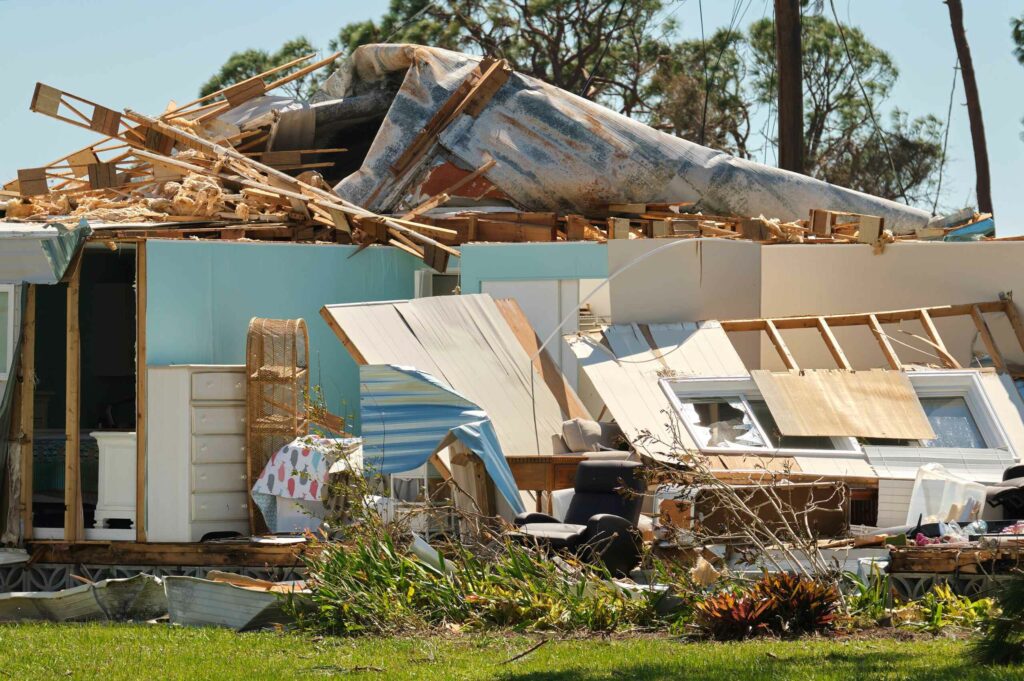
A new year often brings a sense of reset, but if you’re dealing with property damage from a recent storm, fire, or other unexpected event, it can also bring uncertainty. Navigating an insurance claim during this time can feel overwhelming.

That’s where a public adjuster may be able to help.

Understanding the role of a public adjuster can help you make more informed decisions as you move forward with your claim.

What Is a Public Adjuster?

A public adjuster is an insurance expert you can hire to manage your claim for you. Unlike insurance company adjusters who represent the insurer’s interests, they work exclusively for you. Their primary goal is to ensure you receive every dollar you’re entitled to under your policy.

Why Start the New Year with a Clear Claims Strategy

The beginning of the year is a natural time to reassess and address outstanding issues, including unresolved or new insurance claims. Whether you’re recovering from recent damage or preparing for future risks, having guidance during the claims process can make it more manageable.

Working with a public adjuster can help provide structure and clarity during what can otherwise be a complex process.

What Does a Public Adjuster Do?

Damage Assessment

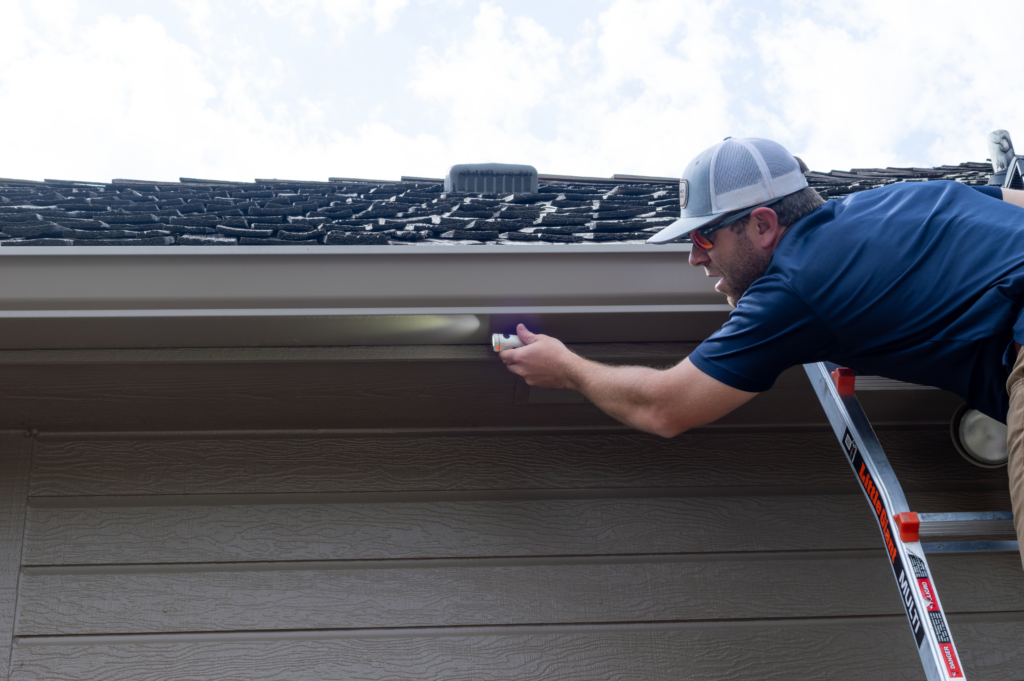
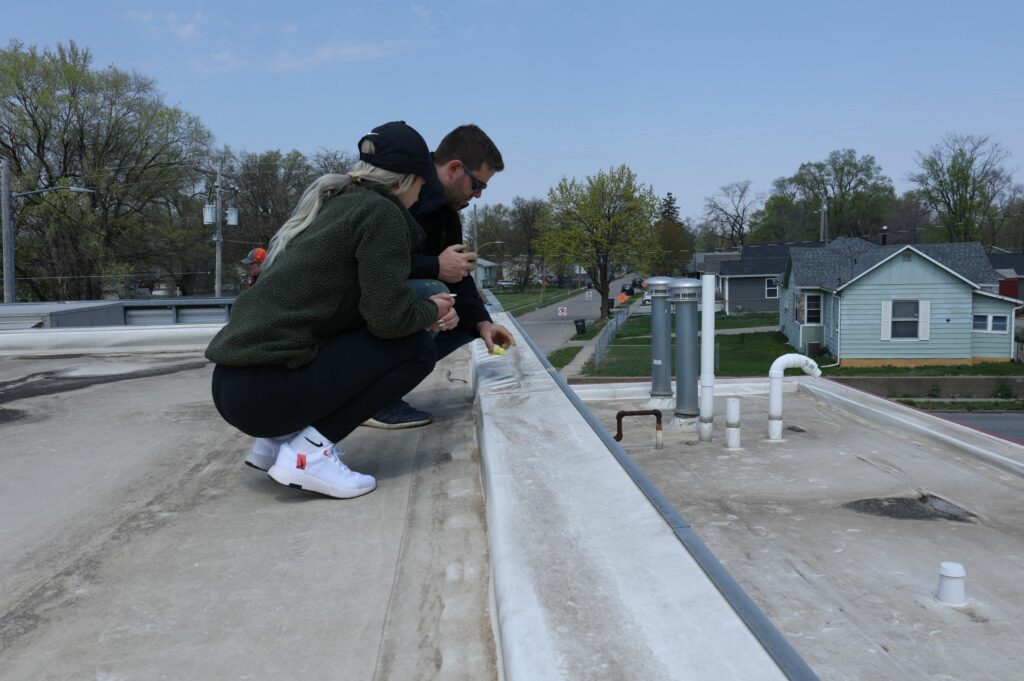
A public adjuster will inspect and assess the damage to your property. Furthermore, they will evaluate the scope of repairs and estimate the replacement value for those repairs.

Policy Understanding

They will help you understand your insurance policy, decipher the legal jargon, and ensure you are aware of what is covered.

Negotiation

Public adjusters communicate with your insurance carrier on your behalf, attempting to negotiate a settlement that accurately reflects the damage and coverage.

Documentation

They document everything you’ve lost and double-check the damage to your property, potentially leading to a larger insurance settlement.

When Should You Consider Hiring a Public Adjuster?

Large or Severe Claims

Public adjusters are particularly valuable for significant claims involving high-value or extensive damage to your property, such as after a fire or a natural disaster.

Claim Disputes

If you are dissatisfied with your insurance carrier’s settlement offer or feel that the claim settlement is too low, they can help dispute the settlement and advocate for a higher payout.

Complex Claims

When you face complex claims involving multiple policies or intricate questions about coverage, a public adjuster’s expertise can be invaluable.

Benefits

Fair Settlements

Public adjusters are skilled negotiators, fighting for your right to a fair and accurate settlement. This can be hard for a policyholder to obtain on their own.

Time Savings

They handle all the paperwork and communication with your insurance carrier, saving you significant time and stress.

Policy Understanding

Additionally, public adjusters help you comprehend your policy details and navigate the often confusing claims process, ensuring you make informed decisions throughout the entire journey.

Reliability

Get Referrals

Seek recommendations from friends, family, or online reviews to find reputable public adjusters in your area.

Check Licenses

Ensure the adjuster holds a license in your state. Most state insurance departments provide online license verification tools.

Research

Look for adjusters affiliated with professional associations like the National Association of Public Insurance Adjusters, ensuring adherence to industry standards and ethics.

Read Contracts Carefully

Understand the fees, services, and terms outlined in the contract before hiring an adjuster.

Remember, hiring a public adjuster can level the playing field between you and your insurance carrier, ensuring you receive the compensation you deserve after a disaster. Furthermore, by entrusting the complexities of your insurance claim to a skilled professional, you can focus on rebuilding and regaining peace of mind while your public adjuster advocates for your rightful settlement.

"*" indicates required fields

Name*
This field is hidden when viewing the form

Illinois Sues State Farm: Forcing Transparency in Homeowners Insurance Practices

Illinois Sues State Farm Overview

On October 14, 2025, Illinois Attorney General Kwame Raoul, acting on behalf of Illinois Department of Insurance (IDOI) Director Ann Gillespie, filed a lawsuit against State Farm Fire and Casualty Company, State Farm Mutual Automobile Insurance Company, State Farm General Insurance Company, and Oglesby Reinsurance Company.

The case, filed in Cook County Circuit Court, seeks to compel State Farm to comply with a regulatory examination into its nationwide homeowners insurance practices.
(source: Journal-Courier, Oct. 14 2025)

Why Illinois is Suing State Farm

According to the filing, the Illinois Department of Insurance launched a market conduct examination in November 2024 to evaluate whether State Farm’s underwriting and pricing practices were treating consumers fairly—especially amid steep premium increases.

State Farm allegedly refused to provide key data, including policy counts, ZIP-code-level premium information, and claims handling metrics, which the Department says are essential for assessing “market fairness, rate justification, and consumer impact.”

Attorney General Raoul said in a statement that State Farm’s “obstruction prevents the Department from obtaining information necessary to make sure all Illinois homeowners are being treated fairly.
(source: NPR Illinois, Oct. 14 2025)

The lawsuit seeks a court order requiring full compliance—no monetary damages are being pursued at this time.

Context: A Surge in Homeowners Insurance Rates

The regulatory push follows years of sharp increases in homeowners premiums. From 2021 to 2024, Illinois homeowners saw average rate hikes of roughly 50%, among the highest in the nation.
(source: Capitol News Illinois, 2025)

Illinois Governor JB Pritzker has called for new legislation granting the state stronger authority to review or limit insurance rate increases. Unlike states such as California or Florida, Illinois law currently provides no formal rate-approval process—leaving regulators reliant on post-hoc data collection and enforcement through examinations like this one.
(source: Capitol News Illinois)

State Farm’s Response

A spokesperson for State Farm, headquartered in Bloomington, Illinois, told multiple outlets that: “This lawsuit is without merit and has nothing to do with Illinois customers or the cost of their insurance.” 

(source: Insurance Business)

State Farm intends to “vigorously defend its position” and maintains that it has already provided extensive information to regulators and argues that the state’s additional requests are overly broad and include proprietary data.

The case is in its earliest stages, with no hearings yet scheduled as of mid-October 2025.

Why This Matters for Homeowners

For Illinois residents, this action underscores a growing emphasis on insurance transparency and consumer protection. Rising home-repair costs and more frequent storm events have fueled premium increases nationwide.

The IDOI’s effort to secure detailed data could shed light on how pricing models affect homeowners in both urban and rural ZIP codes—and whether rate disparities align with actual risk.

If successful, this lawsuit may empower regulators in other states to demand similar disclosures from insurers. For policyholders, more transparency could eventually lead to fairer pricing and accountability in claims handling. To learn more about claims handling, view “Guide to Filing a Claim: The Essentials.

Implications for Public Adjusters and the Claims Industry

Public adjusters, contractors, and consumer advocates should closely watch the court’s interpretation of Illinois’ examination authority under the Illinois Insurance Code.

A ruling compelling data disclosure could create a precedent allowing states to access previously private underwriting and claims information—data that could improve consumer education and advocacy.

For professionals assisting homeowners through claims:

Looking Ahead

Whether this lawsuit expands Illinois’ regulatory reach or results in negotiated disclosure, it marks a turning point in how state agencies hold insurers accountable in an era of climate-driven risk and economic volatility.

Premier Claims continues to monitor developments that affect policyholders’ rights, claims transparency, and fair representation across the country.

"*" indicates required fields

Name*
This field is hidden when viewing the form

Kansas Attorney General Clarifies Public Adjusters’ Role in Residential Claims

Understanding the Kansas Attorney General’s Clarification

Prior to the statement by the Kansas Attorney General, Kansas public adjusters operated under guidance from the Kansas Insurance Department (KID), suggesting their services were limited to commercial lines claims. The KID’s website even stated:

“The public adjuster can only be involved in a first-party claim and the claim must be associated with a commercial lines policy.”

(Source: insurance.kansas.gov)

That interpretation stemmed from how the Public Adjusters Licensing Act was written—not from an explicit ban. The recent Attorney General Opinion 2025-022, issued September 18, 2025, clarifies that the Act regulates commercial claims activity but does not forbid public adjusters from assisting on residential claims (personal lines). In a statement from the letter, Kris W. Kobach, Attorney General for Kansas, states, “The Act neither regulates nor prohibits public adjusting for claims under residential lines insurance contracts.”

Key Takeaways from the Attorney General’s Opinion

(Source: ag.ks.gov)

Why This Matters for Homeowners

Kansas homeowners often face the aftermath of hail, tornadoes, and wind events, where navigating policy details can be overwhelming. With this clarification, they can seek support from licensed public adjusters who advocate on their behalf—ensuring documentation, communication, and settlement discussions are handled professionally.

Nicholas Andersen, General Counsel for Premier Claims, stated:

“With the increase in damaging weather events this year across the state of Kansas, this clarification from the Kansas Attorney General could not have come at a better time. Kansas homeowners have had a rough year and now they have the opportunity to receive help in navigating the insurance claims process by having the advocacy a Public Adjuster provides.”

This shift means policyholders don’t have to face insurers alone. It also aligns with Premier Claims’ mission to advocate for people in a system built for carriers.

What It Means for Public Adjusters

Public adjusters can now:

Several firms have already embraced this broader practice. The Attorney General’s opinion provides much-needed legal backing to those efforts.

Kansas Insurance Industry Impact

This clarification strengthens Kansas’s consumer protection landscape. It empowers adjusters to serve a larger audience while promoting fairness and transparency in the claim process. It also signals a growing recognition of public adjusting’s role in residential recovery—especially in weather-prone regions.

Premier Claims supports continued clarity and ethical standards across the industry, ensuring homeowners receive accurate, informed advocacy from licensed professionals.

What Homeowners Should Do Next

If you’ve recently faced storm, hail, or fire damage in Kansas:

  1. Review your policy — understand what’s covered and what isn’t.
  2. Document everything — photos, estimates, and correspondence matter.
  3. Consult a licensed public adjuster — for clear, compliant guidance through your residential claim. (Learn more about public adjusters with “Choose a Trustworthy Public Adjuster”)

"*" indicates required fields

Name*
This field is hidden when viewing the form

The Claim Killer No One Talks About: The Date of Loss

The Date of Loss Matters More Than You Think

The date of loss (DOL) in a property insurance claim is one of the fundamental elements that influence the entire process of claim settlement. Yet, it’s often overlooked or misunderstood by policyholders.

What exactly is the date of loss? Why is it so important? How do you avoid common mistakes?

What Is the Date of Loss?

The date of loss refers to the specific day when the damage to your property occurred. Not when you noticed it, but when the event that caused the damage actually happened. In some cases, like a branch piercing your roof, it’s obvious. In others, like a slow leak causing water damage behind a wall, it’s harder to pinpoint. 

But here’s the thing: insurance carriers will claim they don’t work in gray areas. They need dates. And that date needs to fall within your policy period.

Why Getting the Date of Loss Right Is So Important

The date of loss isn’t just a formality, it’s the anchor that holds your entire claim in place. An accurate date keeps your claim within the rules of your policy, which often requires that you report damage within a specific time frame. If the damage happened outside of your policy period, or if your claim suggests it did, you could be denied coverage altogether.

It also affects what’s actually covered. Insurance policies evolve over time. A policy active in March may not cover the same things as the version active in May. If your date of loss is off, your claim might be reviewed under the wrong set of terms.

Legal timelines are also tied to the date of loss. From deadlines to submit paperwork to the statute of limitations on filing a lawsuit, everything is measured from that day forward. One wrong date can throw the whole timeline off track.

And when it comes to weather damage, things get even more specific. If your claim says a hailstorm caused your roof damage, the insurance carrier will pull historical weather data to confirm there was a storm on that day in your area. If there wasn’t, your claim could be denied for lack of evidence. That’s why aligning your DOL with verified storm data is so important—it gives your claim credibility.

At the end of the day, your date of loss is more than just a line on a form.

Aligning the Date of Loss with Weather Data

When a property damage claim involves weather-related events, like hail, hurricanes, or windstorms, accurately aligning the date of loss with weather data becomes a critical step in the process.

Verifying the Claim

Insurance carriers routinely cross-reference the reported date of loss with historical weather data. If a storm didn’t occur on the date listed, or if the data doesn’t support the severity of the event claimed, the entire claim can be called into question. Ensuring the date matches a verifiable weather event strengthens the credibility of your claim from the outset.

Determining the Cause of Damage

Specific weather conditions, such as high winds, hail impact, or heavy rainfall, help determine the cause of property damage. This distinction matters. If the carrier argues that the damage was due to wear and tear, not a covered event, accurate weather records can prove otherwise. Aligning the damage to a precise weather event can be the deciding factor in a claim’s approval or denial.

Involving Professional Analysis

In complex or disputed cases, meteorologists and weather forensics experts may be brought in to provide detailed reports. These professionals analyze storm paths, wind speeds, hail size, and more to connect the reported damage with actual weather activity. Their expertise adds authority to your claim and can help break through an insurer’s resistance.

Supporting Legal Integrity

If a claim is contested or suspected of being exaggerated or fraudulent, legally verifiable weather data becomes essential. It serves as an objective reference point and may be used as evidence if the dispute escalates to litigation.

Using Public and Professional Tools

Access to reliable weather data isn’t limited to experts. Tools like NOAA reports, satellite imaging, and specialized weather databases can corroborate your date of loss. When used by your public adjuster or claim advocate, these resources help build a solid foundation for your claim.

Knowing Your Policy Coverage Period

Understanding the exact coverage period of your insurance policy is more than knowing its start and end dates—it’s about knowing how that window of time affects every part of your claim. Attention to this detail helps in avoiding unnecessary challenges and paves the way for a smoother claim experience.

Eligibility for Coverage

For a claim to be considered valid, the date of loss must fall within the active policy period. If the event occurred even a day outside that window, the claim is likely to be denied regardless of the damage severity or circumstance.

Renewal and Expiration Timing

Losses that happen near the renewal or expiration date of a policy require extra scrutiny. It’s not uncommon for disputes to arise if the damage date is unclear or overlaps policy terms. Even a minor discrepancy in timing can lead to delays, coverage gaps, or outright denial.

Changes in Policy Terms

Endorsements, exclusions, and coverage modifications may shift from one policy period to the next. What was covered under last year’s policy might be excluded this year. Knowing which version of your policy applies on the date of loss is key to understanding what’s actually covered.

Extensions and Transitional Provisions

Some policies include grace periods, endorsements, or transitional clauses that can affect claim eligibility. These nuances are often overlooked, but they can make or break a claim if not clearly understood at the time of filing.

Future Impact of Reporting

Filing a claim within the coverage period doesn’t just impact the current settlement, it can influence future premiums, renewals, and insurability. Insurers take prior claims into account when pricing or underwriting future policies.

Submit your policy for review today!

The Most Common DOL Mistakes (and How to Avoid Them)

One of the biggest errors we see? Confusing the “date of discovery” with the actual “date of loss.” This typically happens with hidden or slow-developing issues like leaks, mold, or structural settling. But if the damage didn’t happen all at once, pinpointing the DOL requires investigation, not guesswork. Choosing the wrong DOL can derail the entire claim.

Another frequent problem is selecting a DOL without confirming that the policy was even active at the time. This is especially risky for properties that have recently changed hands, had gaps in coverage, or bounced between carriers.

Missing deadlines tied to the DOL is another big issue. Every policy has its own timeline for submitting a proof of loss, and missing that window—even unintentionally—can lead to reductions or outright denials.

And then there’s the weather. We’ve already mentioned it, but it’s worth repeating: if your claim involves wind, hail, or any other natural event, back up your DOL with solid weather data. Don’t assume the insurer will give you the benefit of the doubt. Odds are, they won’t.

Treat Your DOL Like the Foundation It Is

At Premier Claims, we’ve seen firsthand how a properly supported date of loss can streamline the claim process, and how an inaccurate one can unravel it. It influences everything: coverage, valuation, legal standing, and how long you have to take action.

So if you’re not 100% sure about your DOL, don’t guess. Get professional insight. We’re here to help you assess the damage, verify weather data, confirm coverage windows, and present your claim with precision and authority.

Because in this game, the details matter—and the date of loss is the detail that starts it all.


"*" indicates required fields

Name*
This field is hidden when viewing the form

2024: Reflecting on a Year of Advocacy, Resilience & Results

NAVIGATING THE STORMS TOGETHER

Reflecting on a Year of Advocacy, Resilience & Results

This year, our team has exemplified the true value of expertise and advocacy in the claims process. By meticulously documenting every detail, negotiating with carriers, and ensuring that our clients, the policyholders, always come first, we’ve been able to deliver results that matter. Our focus on protecting our clients’ rights and helping them navigate the often-complex insurance landscape has reaffirmed why having a trusted advocate is so crucial during challenging times.

From the devastating tornadoes that ravaged the Midwest in the spring, to the powerful hurricanes whose impact extended far inland, and the intense wind and hailstorms that struck communities across the nation, standing by our clients every step of the way. We are incredibly grateful for the trust our clients have placed in us and the opportunity to help them rebuild.

As a year in review, we’ve included some photos of the damage and storms we’ve worked on throughout the year. These moments reflect not only the challenges we’ve faced together but also the resilience and determination of our team and clients. We are deeply thankful for the hard work of our team, the trust of our clients, and the collective efforts of everyone who has helped advocate for policyholders.


Below are a few articles we’ve published this year to help spread awareness and education:

Will My Insurance Premiums Go Up? – Learn if your premiums will go up if you seek professional help in navigating the claims process.

Filing a Claim Without Losing Coverage: Know Your Rights – The misconception is that an insurance carrier will drop you if file a claim, but its important to understand that such action is unlikely and illegal.

Are You Underinsured? – Recent market changes—skyrocketing construction costs, supply chain delays, and increasing natural disasters—mean your coverage from two years ago may not cover you today.

Depreciation in Insurance Claims: Are You Getting Short-Changed? – When your property is damaged and you file an insurance claim, but you may quickly discover the insurance carrier short-changes you because of depreciation.

The Role of a Public Adjuster vs Insurance Adjuster – Understanding the role of a Public Adjuster versus an Insurance Carrier Adjuster can make all the difference in how much you get paid.

Save on Insurance Premiums Without Sacrificing Coverage

Navigating the complex world of insurance doesn’t have to be overwhelming. For property owners, one of the most impactful ways to reduce premiums while maintaining excellent coverage is by reviewing and optimizing their insurance policies. 

Understanding Your Policy

Insurance policies consist of various components, including deductibles, coverage limits, and endorsements. Understanding these elements allows property owners to assess their policies effectively.

Deductibles

High deductibles often result in lower premiums. However, property owners should evaluate their financial capacity to cover the deductible in the event of a claim.

Coverage Limits

Reviewing coverage limits ensures adequate protection without overpaying for excessive coverage. Assess the property’s value and adjust coverage limits accordingly.

Endorsements

Additional coverages can be added through endorsements. Evaluate the necessity of endorsements based on the property’s specific needs to avoid unnecessary expenses.

Regular Policy Reviews

Insurance needs can evolve over time due to changes in property value, renovations, or lifestyle. Regular policy reviews, ideally conducted annually, allow property owners to align their coverage with their current requirements. By staying proactive, policyholders can identify potential areas for savings to reduce premiums and optimize their coverage.

Risk Mitigation Strategies

Implementing risk mitigation measures can lead to lower premiums. Property owners can consider:

Security Systems

Installing security systems, such as alarms and surveillance cameras, can reduce the property’s risk, leading to potential premium discounts.

Maintenance

Proper maintenance, including roof repairs, electrical updates, and plumbing improvements, demonstrates responsible property ownership and can result in reduced premiums.

Bundling Policies

Combining multiple insurance policies (e.g., property and auto) with the same insurer often results in substantial discounts, making it a cost-effective choice for property owners.

Policy Shopping and Comparison

Periodically shopping for insurance quotes and comparing policies from different providers is a proactive approach to securing competitive premiums. Additionally, it’s essential to obtain quotes from reputable insurers, ensuring a balance between cost and coverage quality.

Consulting with a Public Adjuster

Engaging a public adjuster, like those at Premier Claims, can significantly impact premium savings. Public adjusters have in-depth knowledge of insurance policies and can guide the policyholder on to best protect themselves and their property. Their expertise aids policyholders attempting to receive fair treatment and optimal coverage for their premiums. 

Property owners who invest time in understanding their policies, conducting regular reviews, implementing risk mitigation strategies, and exploring their options can achieve significant savings on premiums. By staying informed and proactive, property owners can make educated decisions that lead to substantial financial benefits.

Our team of seasoned public adjusters are on standby to assist you through the complexities of insurance coverage. To provide you with a comprehensive and accurate review of your policy, we invite you to complete our policy review. Subsequently, our team members will review your policy in-depth and reach back out to go over their findings at your convenience, allowing you to get the help you deserve!

"*" indicates required fields

Name*
This field is hidden when viewing the form


Untold Advantages of a Damage-Free Inspection

Untold Advantages of a Damage-Free Inspection

Property inspections are a crucial part of the insurance claims process, providing an accurate assessment of a property’s condition. For property owners, the fear of discovering damage can be daunting. Inspections that lead to no damage can leave a property owner relieved, yet frustrated by the time spent in getting the inspection done. However, receiving a damage-free inspection report is valuable and can lead to more benefits for the policyholder.

Understanding the Inspection Process

Property inspections serve to assess the condition of a property and complete documentation. When conducted by experienced professionals, these inspections help in identifying potential issues that might not be visible to the untrained eye. Insurance companies use these findings to determine coverage and policyholder benefits.

No Damage, No Worries

Discovering no damage during an inspection can provide policyholders with peace of mind. It means that their property is in good condition and doesn’t require immediate repairs. This situation also prevents the hassle of filing claims, which can be time-consuming and emotionally draining.

Proactive Maintenance and Preventing Future Issues

A damage-free inspection is an opportunity to continue proactive maintenance. Policyholders can use this information to reinforce their property’s resilience against future risks. Regular maintenance and addressing minor concerns, guided by the inspection results, becomes a strategic investment in potentially minimizing the likelihood of extensive damages.

Creating Baseline Evidence

A damage-free inspection provides baseline documented evidence of the state of the property. Should the property experience future damage, the prior damage-free findings serve as evidence to support future insurance claims filed on the property. Brent Roberts, Inspections Manager at Premier Claims, recommends, “In the event of future damage to a property, it’s ideal to have a prior thorough inspection that resulted in no- or minimal damage to the property. This provides a good baseline of documentation, and photo evidence can be compared with new evidence to identify all damage.”

Lower Insurance Premiums

Regular inspections with no reported damage can reflect positively on a policyholder’s insurance profile. Proactive property maintenance could lead you to lower premium options. By demonstrating the property’s well-kept condition over time, policyholders can potentially secure more affordable insurance rates. In addition, a history of minimal claims reflects responsible property ownership, potentially enhancing the policyholders’ standing with the insurance company.

Empowerment through Knowledge

Being informed about the property’s condition empowers policyholders to make strategic decisions. Armed with this knowledge, they can better understand their property’s vulnerabilities, improve its resilience, and make informed choices regarding insurance coverage and risk management. Policyholders should view inspections as an opportunity to understand the true condition of their properties.

While discovering damage can be concerning, a damage-free inspection can be equally as valuable. It signifies a well-maintained property, potential cost savings on insurance premiums, and a positive impact on the policyholder’s overall insurance history.

We are here to educate, guide, and provide peace of mind to policyholders across the nation. If you have any questions or concerns regarding property inspections, claims management, or insurance policies—Reach out to our team today!

"*" indicates required fields

Name*
This field is hidden when viewing the form

Public Adjuster Near Me: Things to Look for and Consider

Recovering from the devastation of storm damage is a complex process, and having a reliable public adjuster by your side can make all the difference. The aftermath of a natural disaster is overwhelming, especially when it comes to dealing with insurance claims. Partnering with a public adjuster who understands the challenges you face and tailors them to you and your property’s needs helps streamline the claims process. Moreover, a public adjuster is your advocate, equipped with the expertise and knowledge to navigate the intricate landscape of insurance policies. Their partnership allows you to better equip yourself to fight for a fair settlement, enabling you to rebuild and restore your life. Now, you may be asking, how do I find a public adjuster near me?

Top 5 Things to Look For in a Public Adjuster

1. Verify Licensing & Accreditation

Ensure the public adjuster you consider is licensed and accredited by the relevant regulatory bodies. This accreditation validates their expertise and adherence to industry standards, providing you with confidence in their professionalism.

2. Evaluate Experience & Specialization

Look for an adjuster with a proven track record in handling various types of damages, such as water damage, hail damage, fire damage, and hurricane damage. Specialization in specific areas ensures they possess the expertise needed to handle your unique situation effectively.

3. Transparency & Trustworthiness

Transparent communication about fees, the claims process, and the expected timeline are essential. Furthermore, a trustworthy public adjuster maintains open and honest communication, ensuring you are well informed at every step.

4. Check Client Testimonials and Reviews

Reading testimonials and reviews from previous clients provides valuable insights into the adjuster’s reputation and the satisfaction of their clients. Premier Claims takes pride in its positive client feedback, reflecting our commitment to excellent service and successful outcomes.

5. Investigate Communication & Availability

Effective communication is key to a successful partnership. Evaluate the adjuster’s responsiveness and availability. Premier Claims ensures that our team is readily available to address your concerns and provide updates, offering you peace of mind during the claims process.

Why Choose Premier Claims?

At Premier Claims, our expertise goes beyond mere professional qualifications. Our team, consisting of industry veterans with advanced certifications and ongoing education, ensures we stay ahead of industry trends and policy changes. A public adjuster with a fully equipped team of professionals can significantly impact the outcome of your claim for the better. Premier Claims is dedicated to surpassing industry standards by incorporating innovation, technology, and a meticulous claim management process. Our six-step process is committed to delivering unparalleled results and safeguarding your interests at every stage. Certain states may have regulations that determine the services a public adjuster may provide. Our process and services we are able to provide will be based on the state regulations. To learn more, visit our Public Adjuster Legal Disclaimer. When you choose Premier Claims, you benefit from:

Expert Knowledge & Continuous Education

Our professionals hold advanced degrees and certifications, constantly updating their skills to navigate the ever-evolving insurance landscape effectively.

Tailored Strategies for Maximum Results

We understand the uniqueness of each case. Consequently, our team creates customized strategies, attempting to maximize your settlement based on the intricacies of your specific situation.

Supporting You Beyond the Claim

Our team actively offers personalized policy guidance, addresses industry inquiries, and commits to providing you with tailored support. We’re here to ensure your peace of mind extends beyond the claims process, offering expertise and assistance whenever you need it.

Your journey to reclaiming your life after storm damage begins with choosing the right public adjuster. Moreover, Premier Claims combines expertise, integrity, and a genuine commitment to your well-being. Contact Premier Claims today to discover how we can help you and your property!

"*" indicates required fields

Name*
This field is hidden when viewing the form

Additional Living Expenses for Commercial Properties

Owning commercial property comes with its own set of challenges, especially when unforeseen events disrupt business operations. Additional Living Expenses (ALE) coverage, often overlooked by commercial property owners, can be a crucial aspect of recovery. Premier Claims is here to shed light on ALE coverage for commercial properties.

Understanding Additional Living Expenses (ALE) for Commercial Properties

Navigating Commercial ALE

Additional Living Expenses (ALE) for commercial properties serve a purpose similar to its residential counterpart. In the event of covered perils, such as fire, flood, or other disasters, ALE can provide financial support for temporary relocation and ongoing business operations.

Business Interruption and ALE

What your insurance carrier may not explicitly outline is the interplay between Business Interruption (BI) coverage and ALE. While ALE is designed for the physical relocation of the business, BI coverage addresses financial losses resulting from the interruption. It’s crucial to understand how these two components work together as they aim to provide comprehensive coverage for your commercial property.

Coverage Limitations

Commercial property insurance policies may not thoroughly detail the limitations of Additional Living Expenses coverage. Your insurance carrier may not expressly communicate what expenses are covered and the extent of reimbursement. It’s imperative to review your policy with a keen eye for those details or seek professional guidance to avoid potential gaps in coverage.

The Importance of Detailed Documentation

Temporary Relocation Costs

Your insurance may not stress enough the importance of documenting not only the costs associated with temporary relocation but also the impact on business operations. Detailed records of expenses such as equipment rentals, storage, and the logistical aspects of maintaining or relocating operations are crucial for a smooth claims process & recovery.

Communication Protocols

Keep your insurance carrier informed about any changes in your business’s status or unexpected expenses. Open and transparent communication can expedite the claims process and prevent potential disputes.

Seeking Professional Guidance

At Premier Claims, we understand the intricate needs of commercial property owners. Our specialized expertise goes beyond conventional insurance knowledge to address the unique challenges faced by businesses during property damage incidents. We commit to standing by your side, providing comprehensive guidance tailored to your properties and business needs, and aiming to thoroughly assess and document every aspect of your commercial ALE claim. Our goal is not only to secure the coverage you deserve but to make the claims process as seamless as possible.

For commercial property owners, Additional Living Expenses (ALE) coverage is an often overlooked but critical component of insurance. Understanding the intricacies of ALE for commercial properties empowers you to safeguard your business during challenging times. Premier Claims is your dedicated partner, offering not only guidance but also proactive advocacy to navigate the complexities of commercial ALE claims.

"*" indicates required fields

Name*
This field is hidden when viewing the form